


You have a used phone to sell. You are not sure what to ask for it. You think about what you paid, how much you used it, and what a friend got for a similar one. In the end, you pick a number and post the ad.
A week later, there are no calls. Or the opposite happens. Your phone sells in an hour, and you wonder if you asked for too little.
Pricing is often the hardest part of selling. Knowing how to price second-hand products helps you sell faster, avoid regret, and attract the right local buyers.
This blog explains a simple way to decide a fair price, with everyday examples. It also shares how we think about this at Sympl, a simple classifieds website for local buyers and sellers.
Understanding the Core Problem: Why Pricing Used Items Feels Difficult
Unlike new products, used items have no fixed price. Two phones of the same model can be worth very different amounts, depending on age, condition and demand.
Most sellers make one of two mistakes:
- Pricing too high: Based on what they paid or how much they like the item.
- Pricing too low: Out of worry that it will not sell, or without checking similar items.
Buyers, on their side, compare listings quickly. They know roughly what a used cycle or fridge should cost. An unrealistic price makes them scroll past.
What Problem Does Local Buying and Selling Solve?
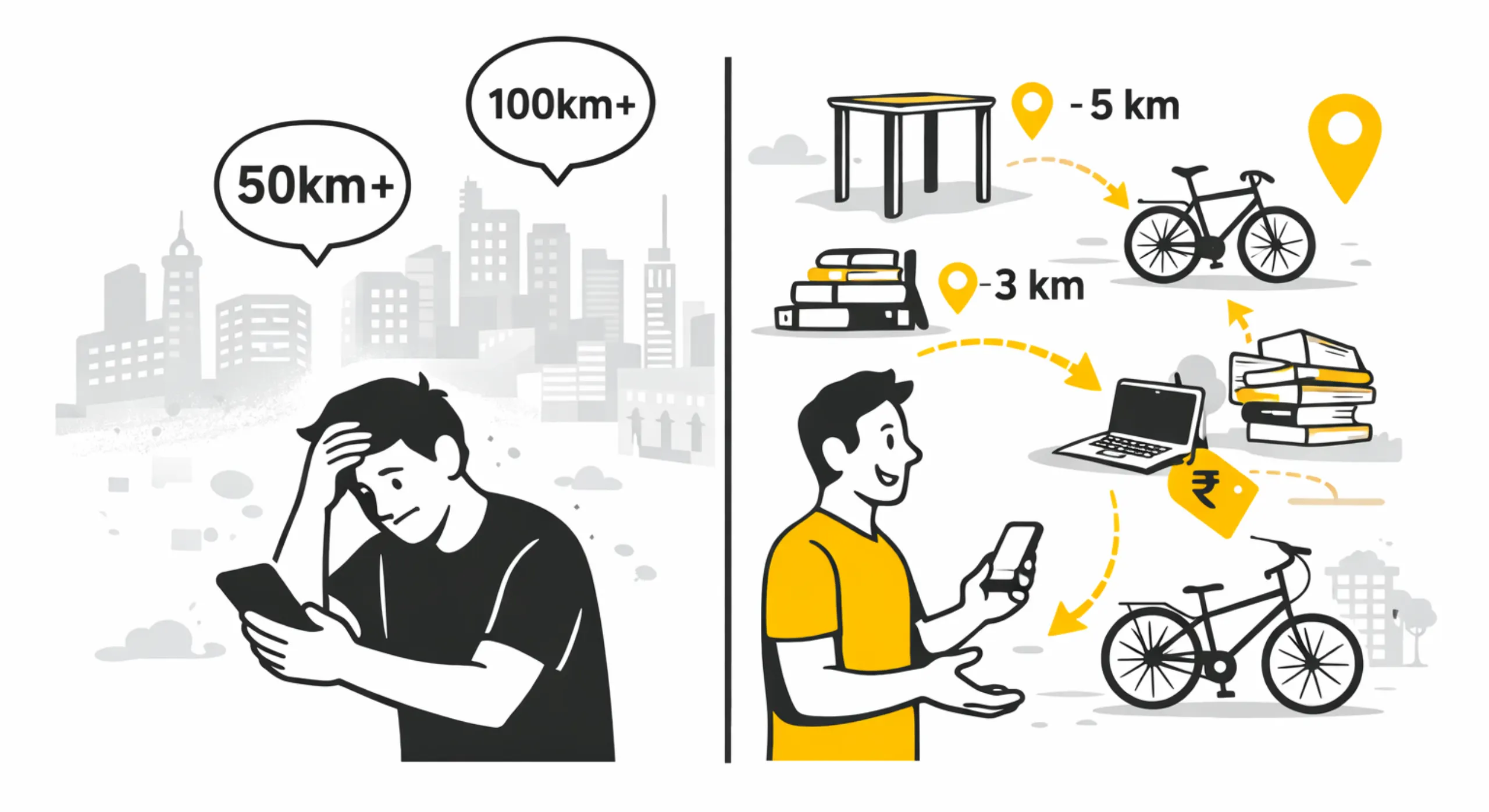
Local buying and selling helps sellers find nearby buyers, and helps buyers find items at fair prices.
It also makes pricing easier. When you can see similar items in your own area, you get a realistic idea of what people are asking and paying. There is no inflated price from far away or shipping cost added on top.
This keeps deals practical for both sides.
Practical Guidance: How to Set a Fair Price for a Used Item
Here is a simple, step-by-step way to price your item.
1. Check Similar Items Nearby
Search for the same or similar items in your area. Note down the asking prices, age and condition.
Look at:
- Same brand and model
- Similar age and condition
- Items in your own city or locality
This gives you a real, local price range.
2. Start From the Original Price, Then Adjust
Used items lose value with time and use. A rough way to think about it:
- Almost new, barely used, with box and bill: higher end of the range
- Used for a year or two, in good condition: middle of the range
- Older, with visible wear: lower end of the range
The exact drop depends on the item. Phones and laptops lose value faster than furniture, for example.
3. Consider the Condition Honestly
Check your item the way a buyer would.
- Does everything work properly?
- Are there scratches, dents or stains?
- Does it need repairs or servicing?
- Are the charger, box, bill and warranty available?
Items with papers and accessories can fetch a better price. Items with defects need an honest discount.
4. Think About Demand
Some items sell faster than others. Everyday items like cycles, study tables, fans and pressure cookers have steady demand. Niche items may take longer, so a slightly lower price helps.
Season also matters. Coolers sell better before summer, and heaters before winter.
5. Leave a Small Margin for Bargaining
In India, most buyers expect to bargain. Keep a small margin in your asking price, but avoid inflating it too much.
For example, if you would be happy with a certain amount, ask slightly above that. It gives room for a friendly negotiation without putting buyers off.
6. Decide Your Lowest Price in Advance
Before you post the ad, decide the lowest amount you will accept. This helps you stay calm during negotiation and avoid hasty decisions.
7. Review the Price If There Is No Response
If your ad gets no calls after a week or so, the price may be too high. A small reduction can bring fresh interest.
Real-Life Examples: Pricing Common Items
Here is how you can think about pricing some everyday items.
- Phones: Check models of the same age and storage. Battery health, screen condition and accessories change the value.
- Bikes and scooters: Year, kilometers driven, service history and paper status matter a lot.
- Furniture: Material, size and condition decide the price. Solid wood or well-kept items hold value better.
- Appliances: Brand, capacity, age and whether it works properly are key. A remaining warranty helps.
- Daily-use items: Books, cycles, kitchen items and toys sell quickly at modest, fair prices.
In all these cases, comparing with local listings gives the best guide.
Good Pricing vs Poor Pricing: A Quick Example
Poor pricing: A 4-year-old fridge with some scratches listed at close to the original price. Buyers scroll past it.
Better pricing: The same fridge listed at a fair, reduced price, with clear photos and an honest description. Buyers see value and call.
A fair price tells buyers that the seller is genuine. It also saves you from weeks of waiting.
How Simple Local Classifieds Make This Easier
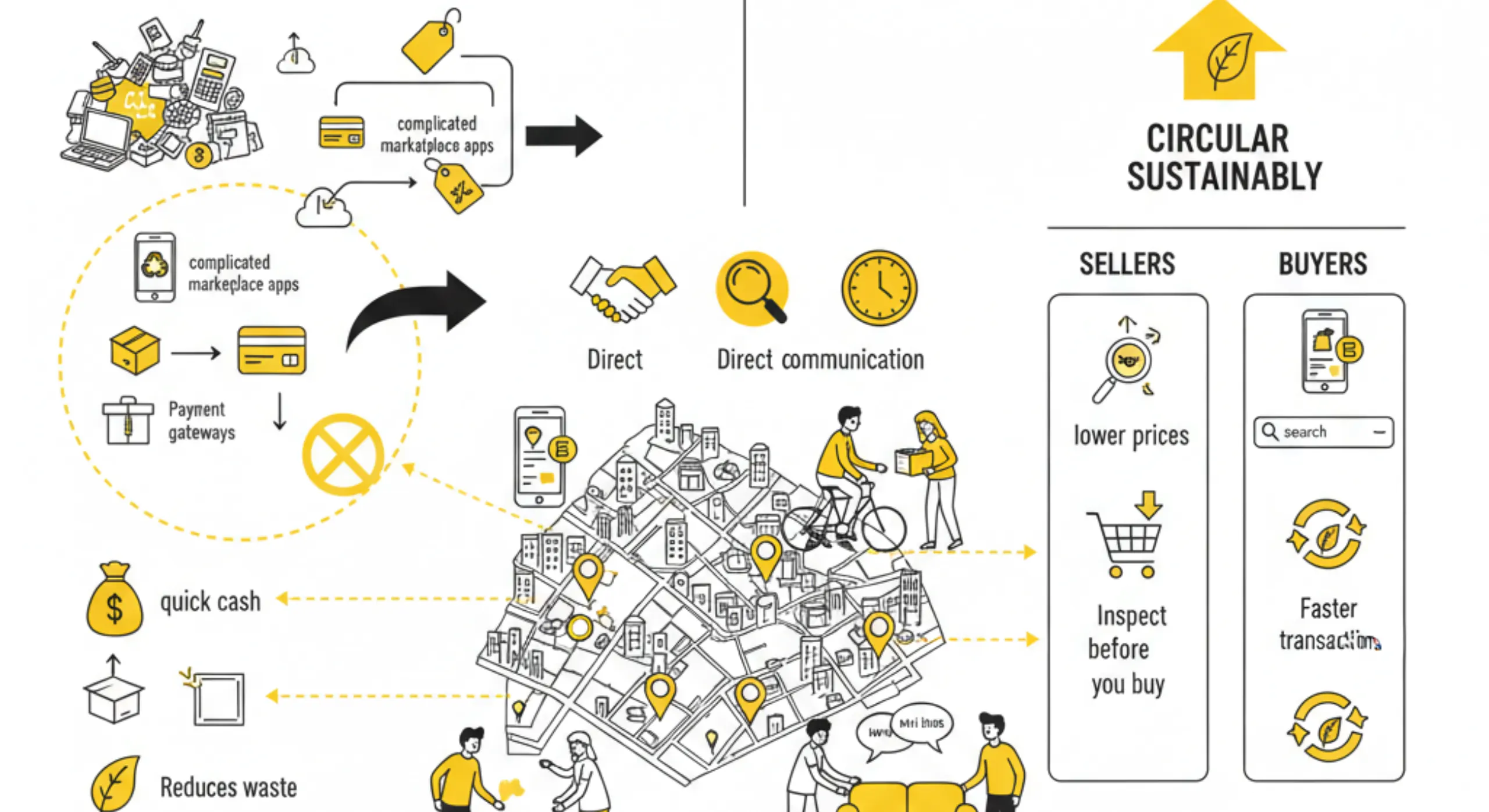
Simple classifieds make pricing easier to understand, because everything is close to home.
Direct Buyer–Seller Interaction
You can talk to the buyer directly, explain the condition and agree on a price without anyone in between.
Fewer Steps
You list, you talk and you meet. There is no checkout page, no courier booking and no packing.
Faster Responses
Local buyers can see the item soon. A fairly priced item often gets calls within a day or two, which helps you sell items fast.
How Sympl Helps With Fair, Local Pricing
Sympl is a simple classifieds website for people who want to buy and sell locally. Because listings are meant for people in your area, it is easy to see what similar items are being offered for nearby.
- Posting an ad is quick and free
- You can add a price, photos and your location
- Buyers and sellers talk directly and agree on the final amount
- The layout stays plain, so listings are easy to compare
The platform gives you a way to compare. The final price is still your decision, based on your item and your situation.
Cost and Time Benefits of Pricing Fairly
A fair price saves money and effort for both sides.
Money Saved
- Sellers avoid selling too low out of worry
- Buyers avoid paying inflated prices
- No shipping or packaging costs for local deals
- No commission taken from the sale
This supports low-cost buying for buyers, and fair returns for sellers.
Time Saved
- Fewer calls from people who find the price unrealistic
- Less back-and-forth during negotiation
- Quicker decisions, since the price already feels reasonable
A well-priced item usually does not need to be re-listed again and again.
Staying Safe During Price Negotiation
Once buyers show interest, a few simple habits help.
- Meet in a public or busy place for small items
- Take a friend or family member along for high-value items
- Check payment before handing over the item
- Never share OTPs, card details or banking passwords
- Be careful if someone asks you to pay or receive money in unusual ways
Who Is This Most Useful For?
Fair pricing helps many kinds of sellers and buyers.
- Students: Sell books, laptops and cycles at fair prices, and buy used items within a small budget.
- Families: Pass on furniture, appliances and baby items without worrying if the price is right.
- Working professionals: Sell quickly when relocating or upgrading, without long negotiations.
- First-time sellers and buyers: A simple method removes the guesswork.
- Anyone who prefers direct dealing: Talking directly makes it easy to explain the item and settle on a price.
Common Pricing Mistakes to Avoid
A few small errors can slow down a sale.
- Pricing based on the original cost, without considering age and wear
- Not checking similar listings nearby
- Setting a price with no room for bargaining
- Refusing to change the price after weeks of no response
- Not mentioning defects, which leads to arguments during the visit
- Pricing too low out of worry, and losing money
Avoiding these makes pricing easier and the sale smoother.
Conclusion
Pricing a used item does not need to be complicated. Look at similar items nearby, be honest about the condition, and leave a little room for bargaining.
When local buyers and sellers see a fair price, deals tend to happen faster and with less stress. It builds trust on both sides.
That is the thinking behind Sympl as well: keep things plain, local and easy to understand. A fair price, a clear photo and an honest description are usually all it takes.