

You’re starting a small business or setting up a home office, and the equipment list keeps growing.
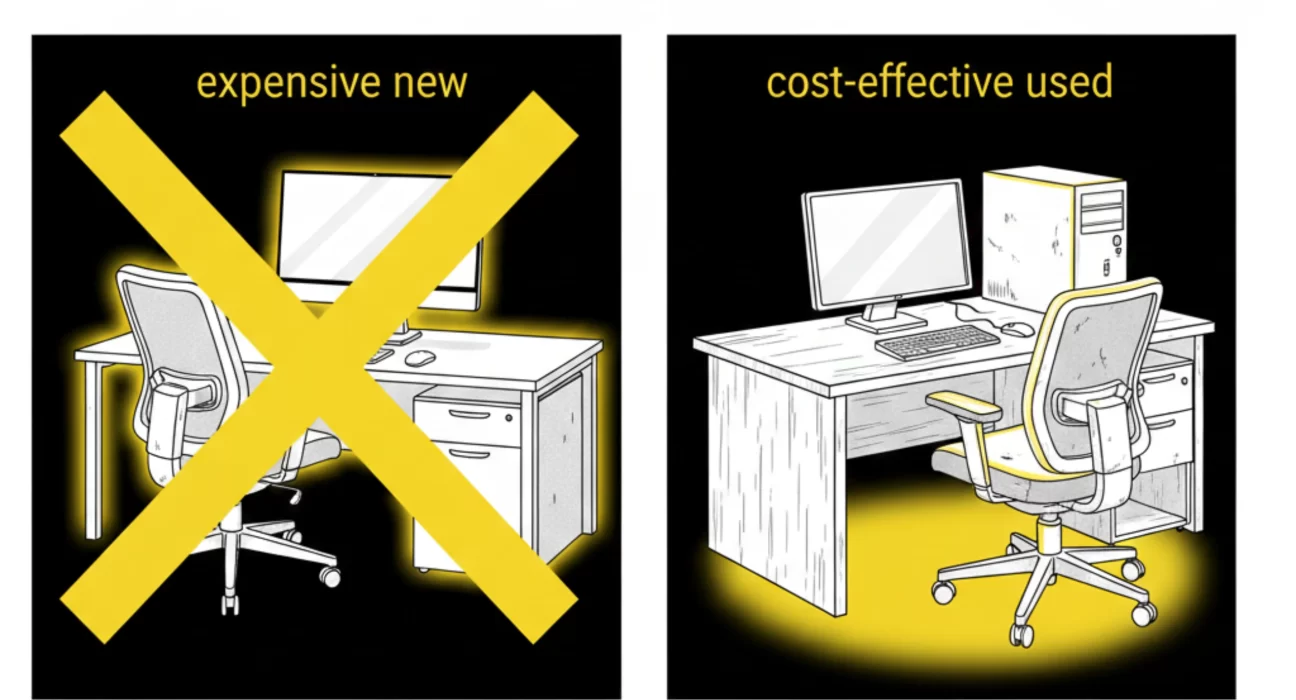
Desks, chairs, computers, printers, filing cabinets – buying everything new means spending a lakh or more before you’ve even started working. For a small setup with limited capital, that’s money you’d rather invest in actually running your business.
Used office equipment makes financial sense. Companies upgrade or shut down offices all the time, leaving behind perfectly functional furniture and electronics. But finding good quality items at reasonable prices isn’t straightforward. Online marketplaces show listings from bulk dealers and liquidators who sell commercial quantities. Or you find individual items scattered across the city with high shipping costs.
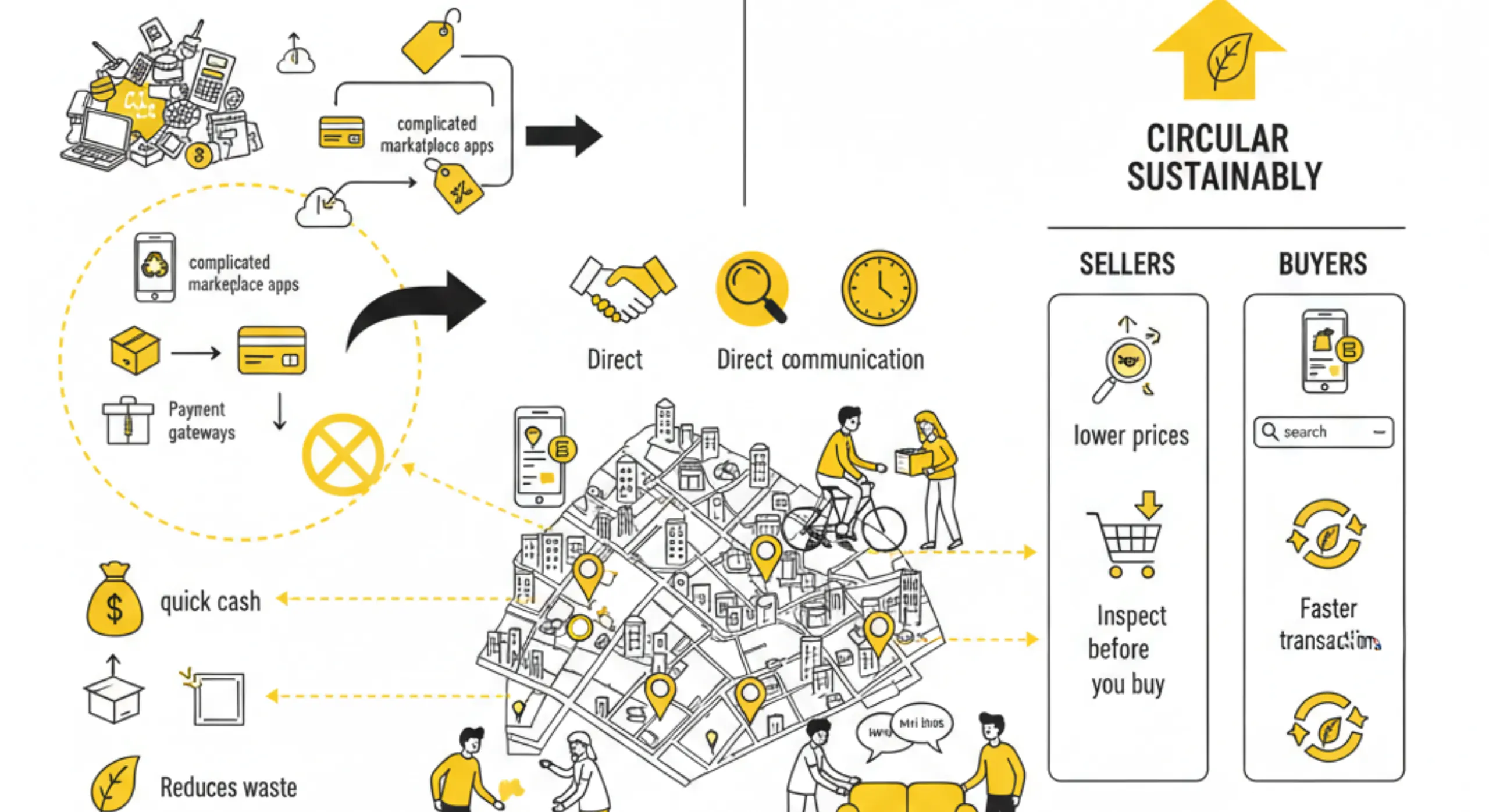
Local classifieds simplify this. You find people nearby selling exactly what you need a desk from someone downsizing their home office, a printer from a startup that went fully digital, chairs from a company that relocated. You see the items in person, check their condition, and only buy what actually works for your space.
Why Small Office Setups Need Different Buying Strategies
The main challenge with setting up a small office is that you need multiple items but can’t afford bulk commercial purchases.
Large companies buy office furniture in sets of 20 or 50. Office equipment dealers cater to these buyers with pricing, delivery, and volume discounts designed for big orders. If you just need two desks and three chairs, their services don’t fit your needs or budget.
Buying everything new from retail stores is expensive. A decent office chair costs ₹5,000–8,000. A solid desk runs ₹8,000–15,000. A printer with a scanner adds another ₹10,000–15,000. Before you know it, basic furniture and equipment for a three-person setup costs over ₹1 lakh.
Most small business owners, freelancers, and home-based workers don’t have that kind of budget upfront. They need functional equipment that doesn’t drain their starting capital.
When you buy and sell locally, you access used items from real people and small businesses who are selling what they no longer need. Pricing is more realistic, you can negotiate, and you see exactly what you’re getting before spending money.
What Office Equipment to Look For
Certain items hold up well when bought and offer genuine value for small setups.
Office desks and tables
Solid wooden or metal desks last decades. Look for sturdy construction, level surfaces, and enough workspace for your needs. Check for scratches or stains, but surface wear doesn’t affect functionality.
Computer tables with cable management and keyboard trays are practical finds. Measure the dimensions before buying to ensure they fit your space.
Office chairs
Ergonomic chairs are expensive and available at much lower prices. Test the seat cushioning it should still have bounce, not be completely compressed. Check the height adjustment mechanism, armrests, and backrest tilt.
Look for chairs from reputed brands like Featherlite or Godrej. They’re built to last and remain comfortable even after years of use.
Filing cabinets and storage
Metal filing cabinets are nearly indestructible. Check that drawers slide smoothly and locks work if present. Look for rust spots, but surface rust can be cleaned structural damage is what matters.
Bookshelves and storage units should be stable and have adjustable shelves when possible. Laminate or engineered wood is fine as long as there’s no water damage or warping.
Printers and scanners
Laser printers often outlast their original owners. Test print quality, check paper feed mechanisms, and verify that toner cartridges are available in the market. Inkjet printers work too but check if the ink hasn’t dried up from disuse.
All-in-one printer-scanner combinations add functionality without taking extra space good for small offices.
Computers and laptops
Slightly older business laptops (2–3 years old) offer excellent value. Look for i5 or i7 processors, 8GB RAM minimum, and SSD storage if possible. Check battery health and screen condition carefully.
Desktop computers from offices that are upgraded can be powerful machines at low prices. Verify that everything boots properly and runs smoothly.
Whiteboards and notice boards
These are simple items that rarely wear out. Check that the whiteboard surface cleans properly and that the frame is intact. Cork notice boards should have firm backing.
Conference tables and meeting furniture
Small businesses occasionally need meeting space. A used conference table in good condition saves thousands compared to buying new, and these items are built to withstand heavy use.
Focus on items that affect your daily comfort and productivity chairs, desks, lighting. Decorative or non-essential items can wait.
Inspecting Office Items Before Purchase
When you meet sellers locally, knowing what to check helps you avoid problematic purchases.
Furniture inspection
Sit on chairs and test all adjustment mechanisms. They should lock firmly at different heights and angles. Look underneath for broken parts or weak joints.
For desks and tables, check stability by pressing down and applying sideways pressure. Wobbly furniture indicates loose joints or damaged legs.
Open and close all drawers and cabinet doors multiple times. They should move smoothly without sticking or falling off tracks.
Check for water damage, especially on wooden items. Look for swelling, warping, or dark stains that indicate moisture exposure.
Electronics testing
Turn on computers and printers. Let them run for several minutes. Test all functions printing, scanning, photocopying if applicable.
For laptops, check battery percentage and see how long it holds charge. A battery with less than 70% health will need frequent charging.
Inspect cables and power adapters. Frayed or damaged cables are safety hazards and should be replaced.
Measurement and space planning
Bring measuring tape when viewing furniture. Verify dimensions will fit through your doorways and in your intended space.
Take photos of items with measurements noted. This helps you visualize layout before committing to purchase.
Being thorough during inspection prevents discovering problems after you’ve already bought and transported items to your office.
How Local Buying Saves Money and Time
When you connect with local buyers and sellers, setting up your office becomes more affordable and efficient.
You’re buying from people who genuinely want to sell items fast someone closing their home office, a company downsizing, or a startup that failed and needs to liquidate assets. They price realistically because they need space cleared, not because they’re trying to maximize profit.
This creates opportunities for good deals. A ₹12,000 desk might sell for ₹4,000–5,000 used. An ₹8,000 chair could be ₹2,500–3,000. These savings multiply across all the items you need.
Meeting locally also eliminates shipping costs. Office furniture is heavy and bulky. Shipping a desk or filing cabinet across cities costs thousands. When you shop nearby, you arrange to pick yourself or hire local transport for a few hundred rupees.
You also save time. Instead of browsing hundreds of listings from across India, you focus on items available in your city. You can see multiple items in one day, compare options in person, and make faster decisions.
Direct interaction lets you negotiate bundle deals too. If someone is selling a desk, chair, and cabinet together, they’ll often discount the total price to clear everything at once.
Finding Reliable Sellers in Your Area
The key to building an office affordably is connecting with trustworthy sellers nearby.
Sympl classifieds help because they focus on proximity. When you search for office furniture or equipment, you see listings from people and businesses in your city often your own neighbourhood.
This makes coordinating much simpler. You message the seller, arrange a viewing time, and visit within a day or two. You’re not dealing with logistics from other states or unclear delivery timelines.
Local sellers tend to be more straightforward too. Small business owners selling their equipment understand exactly what you’re looking for because they’ve been in your position. They know which items matter most and often share helpful insights about what worked well for them.
When you find a listing that fits your needs, ask practical questions. Why are they selling? How long did they use it? Does everything work properly? Their willingness to answer clearly indicates whether the transaction will be smooth.
Many office equipment sales happen because companies are relocating, downsizing, or switching to remote work. These sellers often have multiple items to sell, which means you can furnish most of your office from one or two sources.
Pricing Office Equipment Realistically
Used office equipment should cost significantly less than new, with exact pricing depending on condition, brand, and age.
When you buy locally, pricing is more transparent because sellers know the local market. They’ve seen what similar items sell for and price accordingly.
Generally, office furniture in good condition sells for 30–50% of original price if it’s 2–5 years old. Older furniture or items with visible wear go for 20–30%. This is fair for both sides sellers recover some investment, buyers get usable items affordably.
Electronics like printers and computers depreciate faster. A three-year-old printer might sell for 30–40% of its original cost. A four-year-old laptop typically goes for 35–45%, depending on specifications and condition.
You can negotiate based on quantity too. If you’re buying multiple items, ask for a bundle discount. Sellers often prefer selling everything together rather than dealing with multiple buyers for individual items.
Before meetings, research what items cost new. This gives you reference points for negotiation. A desk that retails for ₹15,000 new shouldn’t sell for ₹10,000 used that’s too high. But ₹4,000–6,000 depending on the condition is reasonable.
Low-cost buying works when you’re getting functional items that serve your needs at prices that genuinely save you money compared to buying new.
Who Benefits Most from Buying Used Office Equipment
This approach to setting up an office works especially well for certain people and situations.
Freelancers and solo professionals
If you’re working independently from home, you need a proper workspace but can’t justify spending heavily on brand-new furniture. Buying used locally gives you professional equipment at personal-budget prices.
Small startups with limited capital
New businesses need to preserve cash for operations, not spend it on furniture. Equipping a small office with quality used items keeps more money available for actual business activities.
Home-based businesses
When you’re running a business from home and need to set up a dedicated workspace, buying used makes financial sense. You get functionality without the premium prices of retail furniture stores.
Co-working space operators
People starting small co-working spaces or shared offices need multiple desks and chairs. Buying used in bulk from local sellers dramatically reduces setup costs.
Anyone expanding an existing setup
If you have a one-person office and need to add space for an employee or partner, buying used items that match your existing setup is more practical than replacing everything.
Anyone who values practical functionality over brand-new appearance will find this method more cost-effective.
Transport and Setup Logistics
Once you’ve inspected items and agreed on price, getting them to your office needs planning.
For smaller items like chairs, printers, or storage boxes, personal transport works. If you have a car, you can handle this yourself or with minimal help.
Larger items like desks, filing cabinets, or conference tables require a tempo or pickup truck. In most Indian cities, hiring a small goods vehicle for local transport costs ₹500–1,000 for a few hours. For multiple heavy items, this might go up to ₹1,500–2,000, which is still far cheaper than commercial delivery services.
Some sellers offer to help load items, others expect you to arrange everything. Clarify this before finalizing the purchase.
Bring help if you’re buying heavy furniture. Many office items need two people to lift and load safely. Don’t try moving a steel filing cabinet or solid wood desk alone.
Measure doorways and staircases at your office before buying large furniture. Desks and cabinets won’t fit through narrow passages or around tight corners. It’s frustrating to buy something only to discover it won’t fit into your workspace.
Most used office furniture doesn’t require assembly if it’s intact. But if you’re buying items that were disassembled for transport, ask if assembly is straightforward or if you’ll need tools and expertise.
Making the Transaction Straightforward
Once you’ve tested equipment and are satisfied with the condition, the actual purchase is simple.
Most people pay in cash or through UPI after inspecting items and agreeing on the final price. For expensive items like multiple pieces of furniture or computers, some buyers prefer paying half upfront and the rest after delivery to their office. This is reasonable if both parties are comfortable.
Ask for any documentation the seller has original bills, warranty cards, or user manuals. These aren’t essential for used items but can be helpful, especially for electronics.
Get the seller’s contact details in case you need to ask questions about assembly or usage later. Most sellers are willing to help if genuine issues come up shortly after purchase.
For larger transactions involving multiple items, consider writing a simple receipt listing what was sold, the price, and the date. This protects both sides and takes just a minute.
Take photos before transporting items, especially if they’re in excellent condition. This documents their state at time of purchase in case anything gets damaged during transport.
Why Sympl Classifieds Work Better for Office Setup
Crowded marketplaces are dominated by commercial office furniture dealers, liquidators, and bulk sellers.
Your search results mix individual sellers with businesses offering brand-new modular furniture, complete office packages, and commercial-scale solutions. Finding genuine small-quantity, used-item sellers becomes difficult when professional listings dominate.
Sympl classifieds focus on direct connections between local buyers and sellers. You’re not competing with commercial operations. You’re finding real people and small businesses selling items they actually used, not dealers moving inventory.
This keeps prices honest and interactions simple. No commercial markup or pressure to buy matching sets. No minimum order quantities. Just straightforward listings from people who want to sell items fast to someone nearby who needs them.
For buyers setting up small offices, this means access to quality equipment at genuinely affordable prices from people you can meet and verify. For sellers, it means clearing office items quickly without dealing with bulk buyers or complicated logistics.
Moving Forward with Your Office Setup
Buying used office equipment locally makes setting up a functional workspace affordable.
You connect with sellers nearby, inspect items in person, test functionality, and only purchase what actually meets your needs. The equipment works just as well as new items but costs a fraction of retail prices.
You save thousands, sometimes tens of thousands of rupees by buying used instead of new. This money stays in your business where it’s needed for operations, not tied up in furniture and equipment.
And because everything happens locally, you can furnish your office quickly. Find items this week, inspect them over the weekend, arrange pickup next week, and start working in your properly equipped space without long waits or complicated logistics.
This is how local buying and selling works for small office setups practical, affordable, and built on the understanding that functional workspace equipment doesn’t need to be brand new. It just needs to work reliably, which quality used items do perfectly well at prices that make financial sense for people starting or running small businesses.