

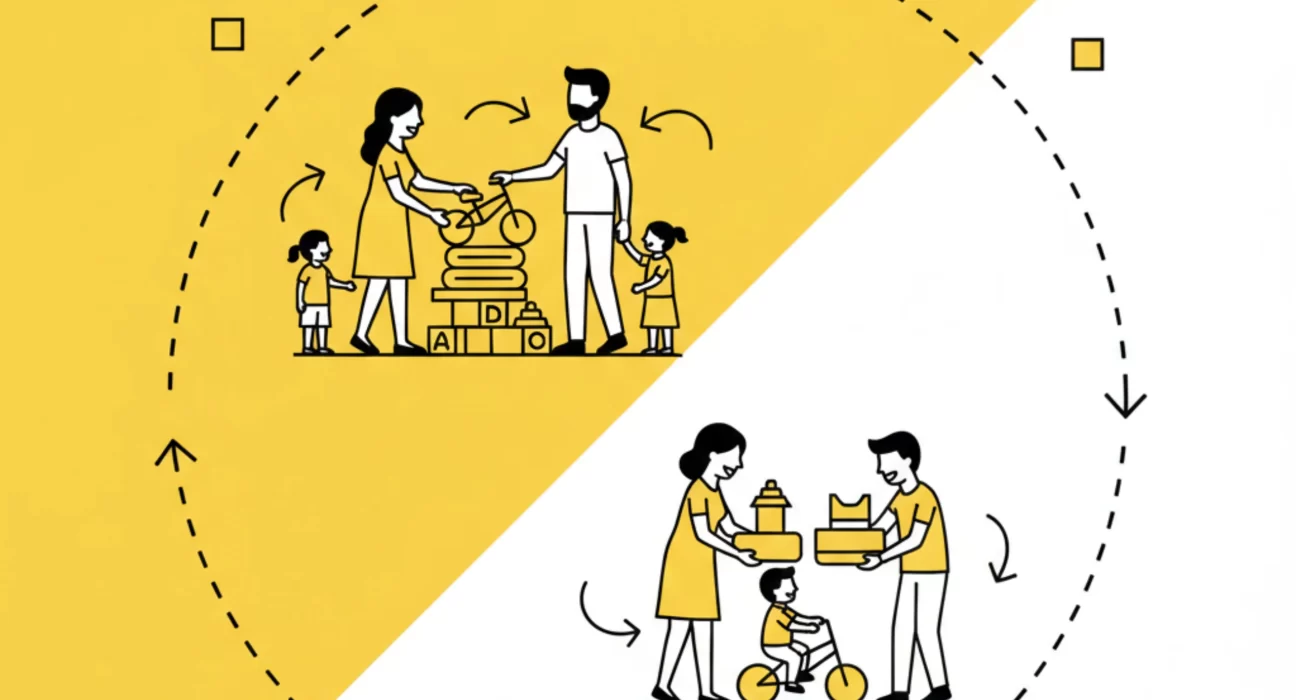
Children outgrow everything. The shoes that fit perfectly three months ago are now too tight. The bicycle they begged for sits unused after they’ve grown taller. School uniforms, winter jackets, toys, books all become useless within months, sometimes weeks.
Buying everything new creates a constant financial drain. Between clothes, educational materials, sports equipment, and endless toy requests, expenses add up faster than most families can comfortably manage.
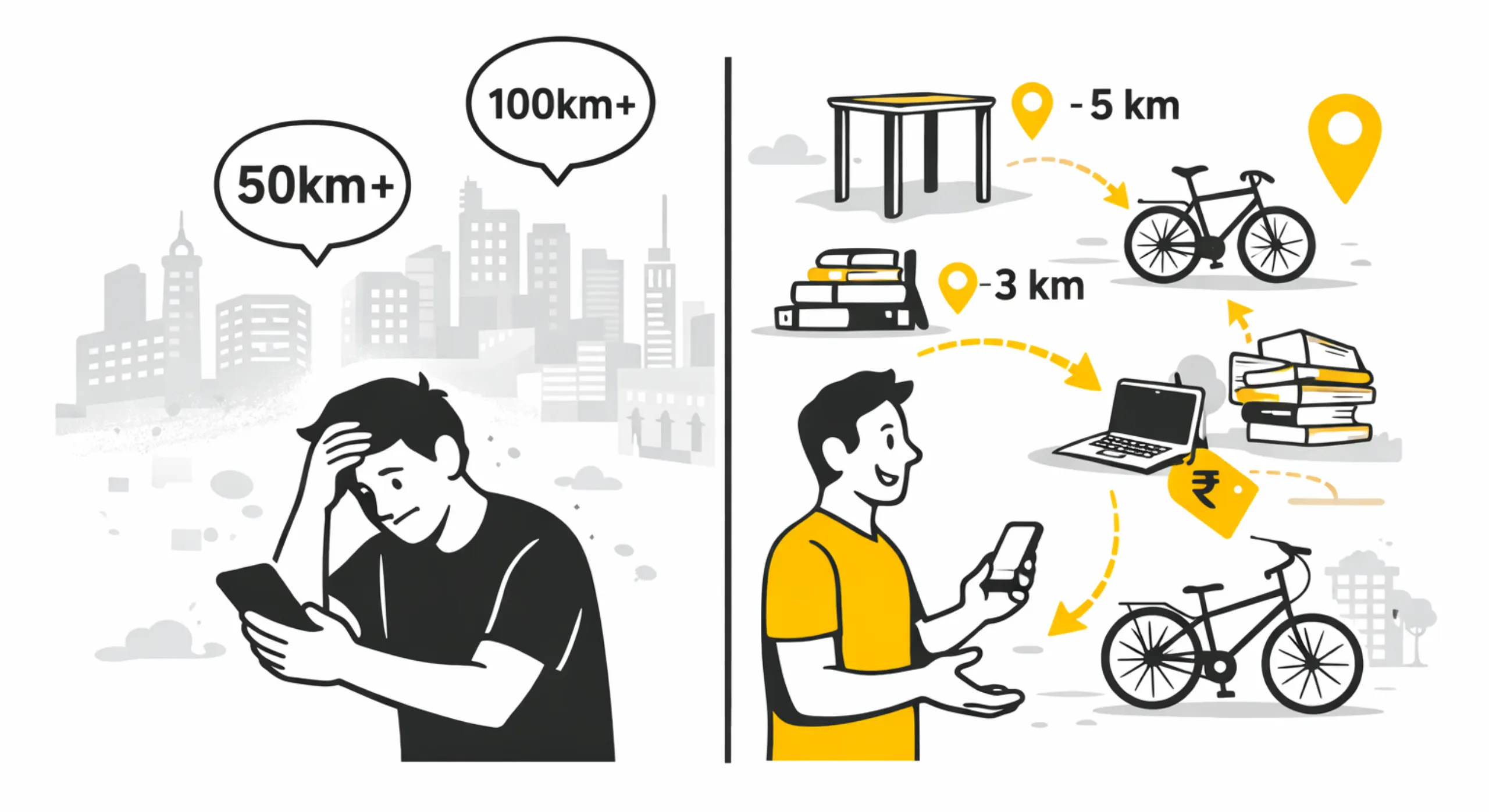
Selling outgrown items should help, but large online marketplaces make the process frustrating. Listings get buried. Buyers from other cities ask questions but never commit. By the time something sells, your child has already moved to the next size or grade, and you’re buying new again.
This is where sympl changes the experience.
With local buying and selling on sympl, parents connect directly with nearby families going through the same growth cycles. What your child has outgrown is exactly what another parent needs right now. Transactions are quick, local, and practical just the way busy parents need.
Why Parenting Creates Constant Buying and Selling Needs
Children’s rapid growth and changing interests create challenges unlike any other household category.
The main challenges include:
- Constant size changes: Clothes and shoes last only 3–6 months during growth spurts
- Grade progression: School books and uniforms are useful for just one academic year
- Interest phases: Cricket today, keyboard tomorrow, nothing next month
- Age limits: Toys and gear become “too young” or “too old” quickly
- Seasonal use: Winter and monsoon wear often doesn’t fit the next year
- Multiple children: Ages rarely align perfectly for reuse
Parents are forced into a tough choice: overspend on new items used briefly, or hold back on things that support a child’s learning and happiness.
Common Kids’ Items Parents Buy and Sell on sympl
These categories repeat in almost every household with children.
Clothing by season and size
School uniforms, casual wear, winter jackets, festive clothes, shoes, sandals
Educational materials
Textbooks, workbooks, school bags, stationery, reference books
Sports and outdoor equipment
Bicycles, cricket bats, footballs, skates, swimming gear
Toys and games
Board games, puzzles, building blocks, dolls, electronic toys
Baby and toddler items
Cribs, strollers, high chairs, baby carriers, play mats
Furniture
Study tables, chairs, bookshelves, storage units, beds
Books and learning aids
Storybooks, activity books, art supplies, learning tools
Musical instruments
Keyboards, guitars, drums often bought for trial lessons
Buying all of this costs lakhs over childhood. Buying second-hand and selling locally through sympl cuts those costs dramatically.
How Local Buying on sympl Reduces Children’s Item Costs
Parents using sympl know these items have limited usage. The goal is function, not permanence.
School uniforms and books
Buy last year’s uniforms and textbooks from nearby parents at 50–70% lower prices.
Seasonal clothing
Winter jackets worn for one season don’t need to be brand new.
Trial-phase equipment
Used guitar for ₹3,000 instead of ₹10,000. Upgrade only if interest continues.
Bicycles and outdoor gear
Children change cycle sizes every 1–2 years. Buying and reselling locally keeps effective cost low.
Party and occasion wear
Clothes worn once or twice make perfect second-hand purchases.
How Parents Sell Outgrown Items Faster on sympl
Efficient selling means quick clearance and quick cash.
- Sell immediately when outgrown
Don’t store “for later.” Sell while condition and demand are high.
- Price for speed, not perfection
A fast ₹1,500 sale is better than a ₹2,000 listing that sits for months.
- Bundle similar items
Sell uniforms by size, books by grade, toys by age group.
- Time your listings
School items in March–April, winter clothes in October.
- Be honest about condition
Parents expect used items. Transparency builds trust and avoids issues.
The Parent-to-Parent Network on sympl
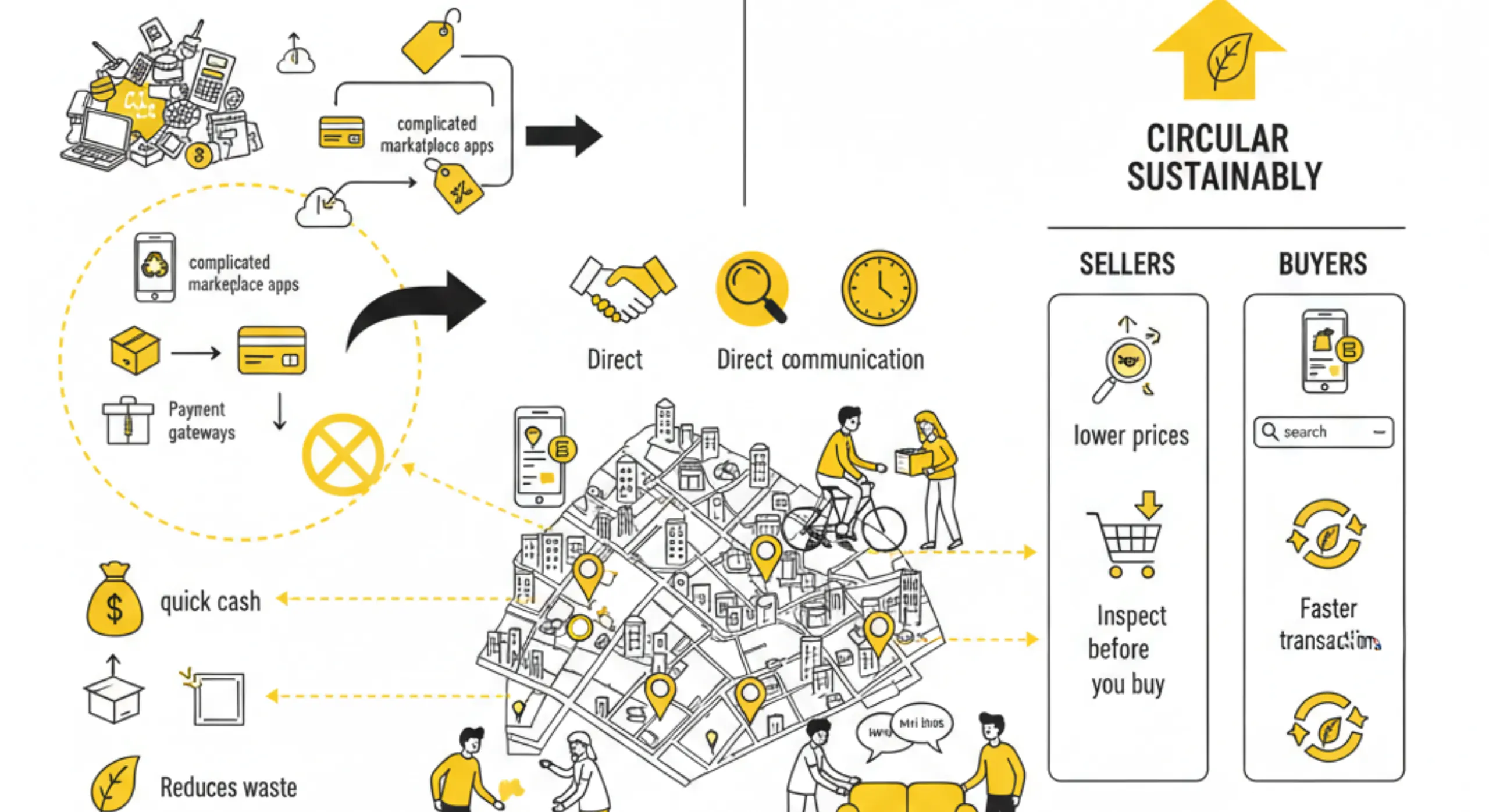
sympl naturally connects parents facing the same challenges.
- Shared understanding
No need to explain why items are being sold everyone gets it.
- Realistic pricing
Parents buying today are selling tomorrow. Fair pricing comes naturally.
- Easy verification
Meet, inspect, and discuss age-appropriateness face to face.
- Flexible schedules
Weekend and evening meetups work for families.
- Community trust
Repeat interactions often lead to recommendations and support.
Practical Tips for Parents Buying on sympl
- Keep your child’s measurements updated
- Inspect safety items carefully (helmets, car seats)
- Ask why the item is being sold
- Buy one size ahead when practical
- Prefer quality brands with better resale value
- Meet in safe, public locations
Practical Tips for Parents Selling on sympl
- Take clear, honest photos
- Mention age or grade suitability
- Add actual clothing measurements
- Bundle related items
- Respond quickly parents often need items urgently
Time and Money Benefits for Families
Annual savings and recovery (per child):
- Clothes: Save ₹10,000–20,000, recover ₹5,000–10,000
- School books: Save ₹3,000–8,000
- Sports gear: Save ₹5,000–15,000
- Toys and games: Save ₹8,000–15,000
- Furniture: Save ₹10,000–30,000 over time
Total impact: ₹35,000–80,000+ per year for families with 1–2 children.
Time saved:
- Same-day local buying
- Faster selling to nearby parents
- No shipping or return hassles
- One meeting, transaction done
Teaching Children Value Through sympl
Involving children in buying and selling helps them learn:
- How money works
- Why taking care of things matters
- That not everything needs to be new
- How reuse reduces waste naturally
- Real-world communication and responsibility
Who Benefits Most
- Parents with multiple children
- Budget-conscious families
- Parents supporting trial hobbies
- Single parents managing expenses alone
- Families in close-knit local communities
Conclusion
Raising children means constant cycles of buying and selling. Clothes, books, toys, and equipment outgrow expectations faster than budgets can handle. Buying everything new only increases financial pressure.
sympl offers parents a smarter way.
Buy what your child needs at fair second-hand prices. Use it for the right phase. Sell it locally when that phase ends. Connect with parents nearby who understand exactly what you’re dealing with.
For families navigating the costs of growing children, using sympl isn’t just convenient it’s one of the smartest ways to stay in control while giving kids everything they need.