

You’ve listed something for sale. You’ve uploaded photos, filled in details, maybe even refreshed the page a few times. But nothing happens. No messages. No calls. Just waiting.
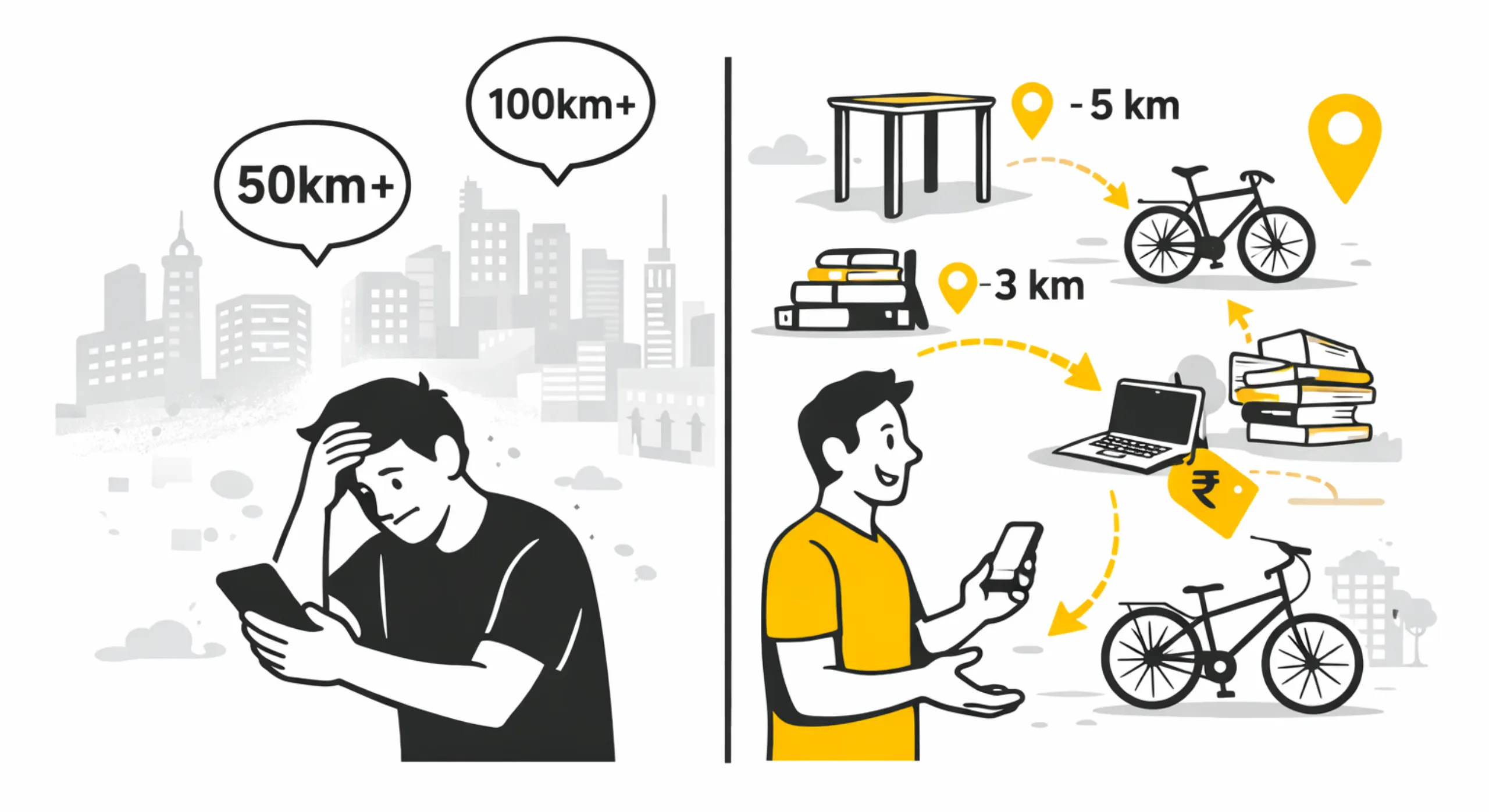
Or you’re trying to buy something nearby – a phone, a cycle, maybe furniture – but the app shows you listings from other cities, expired posts, or sellers who never respond.
This is the problem most people face when they try to buy and sell locally. Apps are either too crowded, too slow, or built for people who have time to waste. For everyday buyers and sellers in India, what matters is speed, clarity, and local connections.
Sympl classifieds work because they don’t complicate things. They connect you with people nearby, let you talk directly, and get things done without layers of process.
But in 2026, even simplicity needs to feel smooth. The apps that work are the ones that understand what real users need – and deliver it without confusion.
Why Most Buying and Selling Apps Feel Slow and Frustrating
The main issue is not a lack of features. It’s too many of them.
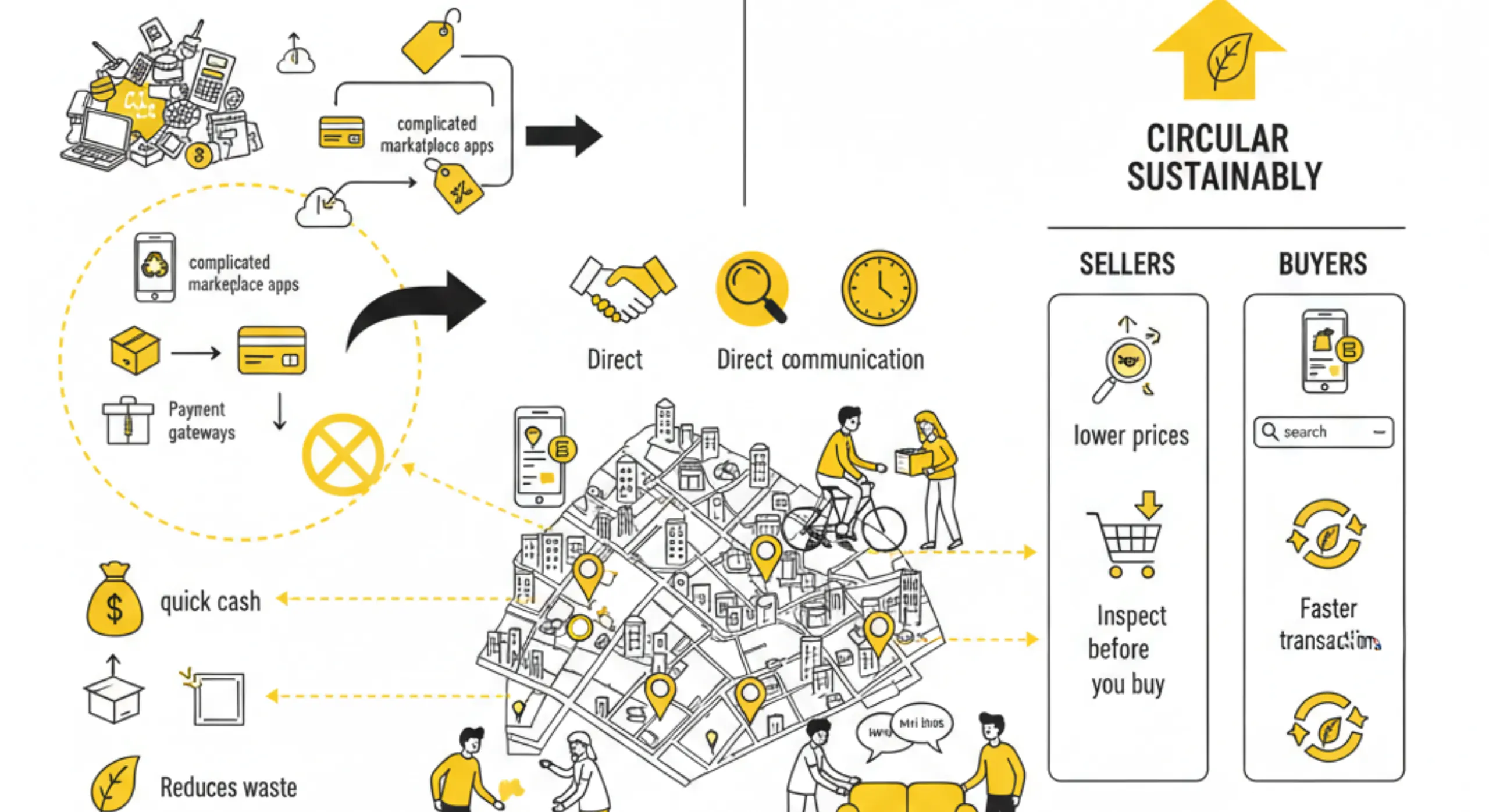
Many platforms try to do everything. They add shipping options, payment gateways, verification badges, chat filters, and recommendation algorithms. All of this sounds useful, but it slows things down.
When you’re selling a mixer grinder or a study table, you don’t need a shopping cart. You need a buyer who lives nearby and can pick it up this week.
When you’re looking for a second-hand bike, you don’t want to scroll through pages of sponsored ads. You want to see what’s available in your area, contact the seller, and go check it out.
The complexity is the problem. And in 2026, people are moving toward apps that respect their time.
What Sellers and Buyers Actually Want from Local Classified Apps
Let’s be clear about what works in real life.
For Sellers:
- Fast listing creation – upload a photo, write a quick description, set a price, and post. No forms that feel like job applications.
- Visibility to local buyers – your listing should reach people nearby, not get buried under thousands of irrelevant posts.
- Direct contact – buyers should be able to call or message you without intermediaries or approval steps.
- Quick responses – if someone’s interested, they reach out fast. You don’t wait for days.
For Buyers:
- Relevant, nearby listings – show me what’s available in my city or area, not random products from across the country.
- Clear photos and details – no guesswork. I want to see the item and know the price upfront.
- Easy contact with sellers – let me talk to the person directly, ask questions, and decide.
- No forced payments or shipping – for local deals, meeting in person works better.
These aren’t special demands. They’re basic expectations. But many apps still miss them.
Mobile UX Trends That Make Local Buying and Selling Work in 2026
The apps that succeed today aren’t chasing trends for the sake of it. They’re solving real problems with smart, simple design.
1. Location-First Browsing
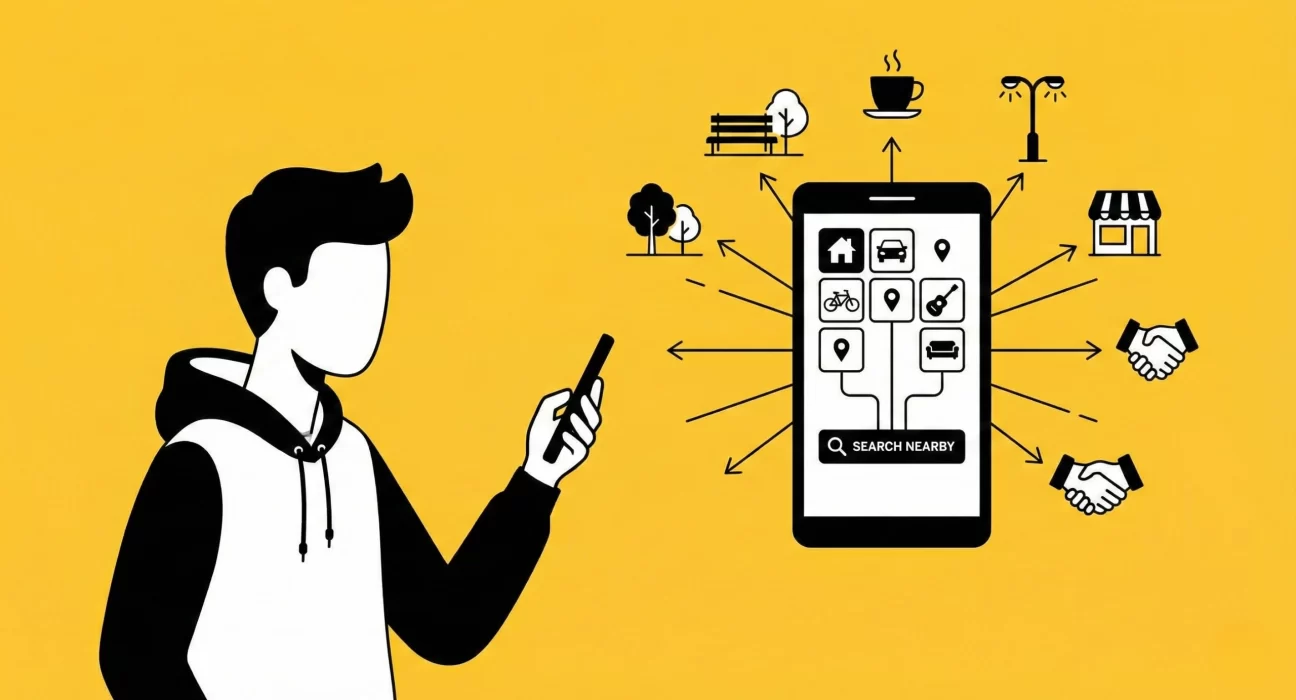
Apps now prioritise what’s nearby. When you open the app, you see listings from your city or neighbourhood first.
This matters because most people prefer local deals. You can inspect the item, negotiate in person, and avoid shipping delays or costs.
Location filters are automatic. The app knows where you are and shows you what’s relevant. No need to manually select your city every time.
2. Instant Listing Creation
Selling should take less than two minutes.
The best apps let you:
- Take or upload a photo directly
- Add a short title and description
- Set a price
- Post immediately
No mandatory fields. No approval delays. Your listing goes live, and buyers in your area can see it right away.
This is especially useful for people selling everyday items – a phone charger, a table fan, a chair. You don’t need a product catalogue or multiple photos. Just quick, simple posting.
3. Direct Messaging and Calling
Buyers and sellers want to talk. Not through chatbots or automated replies, but real conversations.
Apps that work well in 2026 make contact easy. A visible call button. A simple chat option. No login requirements or verification hoops before you can send a message.
This builds trust. When you can speak to someone directly, you know who you’re dealing with. It’s faster and more human than waiting for responses through a platform’s internal system.
4. Clean, Distraction-Free Listings
Nobody wants to scroll through ads, banners, or sponsored content when they’re looking for a used laptop or a washing machine.
The apps that keep users engaged are the ones that stay focused. You open a listing, you see:
- Photos
- Price
- Description
- Seller contact
That’s it. No pop-ups. No upsells. No recommendations for things you didn’t search for.
This clarity helps buyers make decisions faster. And it helps sellers get genuine responses, not just random clicks.
5. Mobile-First Design That Works on Every Network
India has a wide range of internet speeds. Not everyone is on 5G or high-speed broadband.
Apps that load fast, even on 3G, win. This means:
- Lightweight design
- Images that load progressively
- No unnecessary animations or heavy scripts
People in smaller towns, or those using budget phones, shouldn’t struggle to browse listings. The app should work smoothly for everyone.
6. Simplified Search and Filters
Search doesn’t need to be complicated. You type what you want — “cycle”, “sofa”, “camera” — and the app shows you matching listings nearby.
Filters help, but only if they’re simple:
- Price range
- Condition (new or used)
- Distance from your location
Anything beyond this starts feeling like homework. The goal is to help users find what they need quickly, not give them 20 options to customise.
7. No Forced Account Creation
This is a big one.
Many apps ask you to sign up before you can even browse. Email, phone number, OTP, password – it’s exhausting.
The apps that work better let you browse freely. You only create an account when you’re ready to post or contact someone. This lowers the barrier and makes the experience feel more open.
How Local Classifieds Make Buying and Selling Faster
When you sell locally, you skip a lot of steps.
No packaging. No courier costs. No waiting for delivery confirmations. You meet the buyer, hand over the item, and get paid.
For buyers, it’s just as simple. You see something you like, contact the seller, meet up, and take it home. If you don’t like it in person, you walk away. No return policies or customer service calls.
This directness is what makes local classifieds practical. You’re not dealing with a system. You’re dealing with a person.
And in 2026, the apps that support this kind of interaction – without adding layers – are the ones people stick with.
Cost and Time Benefits of Buying and Selling Locally
Let’s talk about money.
When you buy from a big marketplace, prices are often inflated. Sellers factor in shipping, platform fees, and packaging costs. Even for used items, you end up paying more than necessary.
With local classifieds, you’re buying directly from someone in your area. No middlemen. No extra charges. Just the agreed price.
On the selling side, you keep the full amount. No commission cuts. No listing fees. You set the price, and whatever you get is yours.
Time-wise, local deals close faster. You don’t wait for shipping or payment processing. You arrange a meeting, complete the transaction, and move on.
For everyday items – electronics, furniture, books, bikes – this approach just makes more sense.
Who Benefits Most from Sympl Local Buying and Selling
Students
When you’re moving to a new city for college or shifting to a new hostel, you need affordable furniture, electronics, and daily-use items. Buying locally saves money and hassle.
When you leave, you can sell the same things to someone else in your area. No long-term storage. No wasted purchases.
Families
Families often need to upgrade appliances, furniture, or kids’ items like cycles and study tables. Selling the old ones locally helps recover some value, and buying used items keeps costs down.
Working Professionals
If you’re relocating for a job, you might need temporary furniture or a bike. Buying second-hand locally is practical. When you move again, you sell it off without loss.
First-Time Online Users
For people who aren’t comfortable with complicated apps or online payments, local classifieds are easier to understand. You list something, someone calls, you meet, and the deal is done. It’s familiar and low-risk.
Anyone Who Values Simplicity
Not everyone wants to navigate complex platforms. Some people just want to sell an old phone or buy a used fridge without drama. Sympl classifieds serve that need perfectly.
Why UX Design Matters More Than Features
A lot of apps fail because they confuse features with value.
Adding AI recommendations, chatbots, and analytics dashboards might sound impressive, but it doesn’t help a student sell a study table or a family buy a second-hand refrigerator.
What helps is:
- Fast loading
- Clear layouts
- Easy contact options
- Relevant, local results
These aren’t glamorous. But they’re what users notice and appreciate.
In 2026, the apps that keep sellers and buyers hooked are the ones that strip away the noise and focus on getting things done.
Conclusion
Mobile app design for local buying and selling doesn’t need to be flashy. It needs to be functional.
People want apps that load quickly, show relevant listings, and let them connect with buyers or sellers nearby. They want to post something in two minutes and get a response in two hours. They want clarity, not clutter.
Sympl classifieds work because they respect this. They don’t overcomplicate the process. They don’t force users through steps that add no value. They just connect people who need each other.
In a country like India, where millions of people buy and sell used items every day, this simplicity is not just useful it’s essential.
The apps that understand this will stay relevant. The ones that don’t will fade into the background, replaced by platforms that actually make life easier.