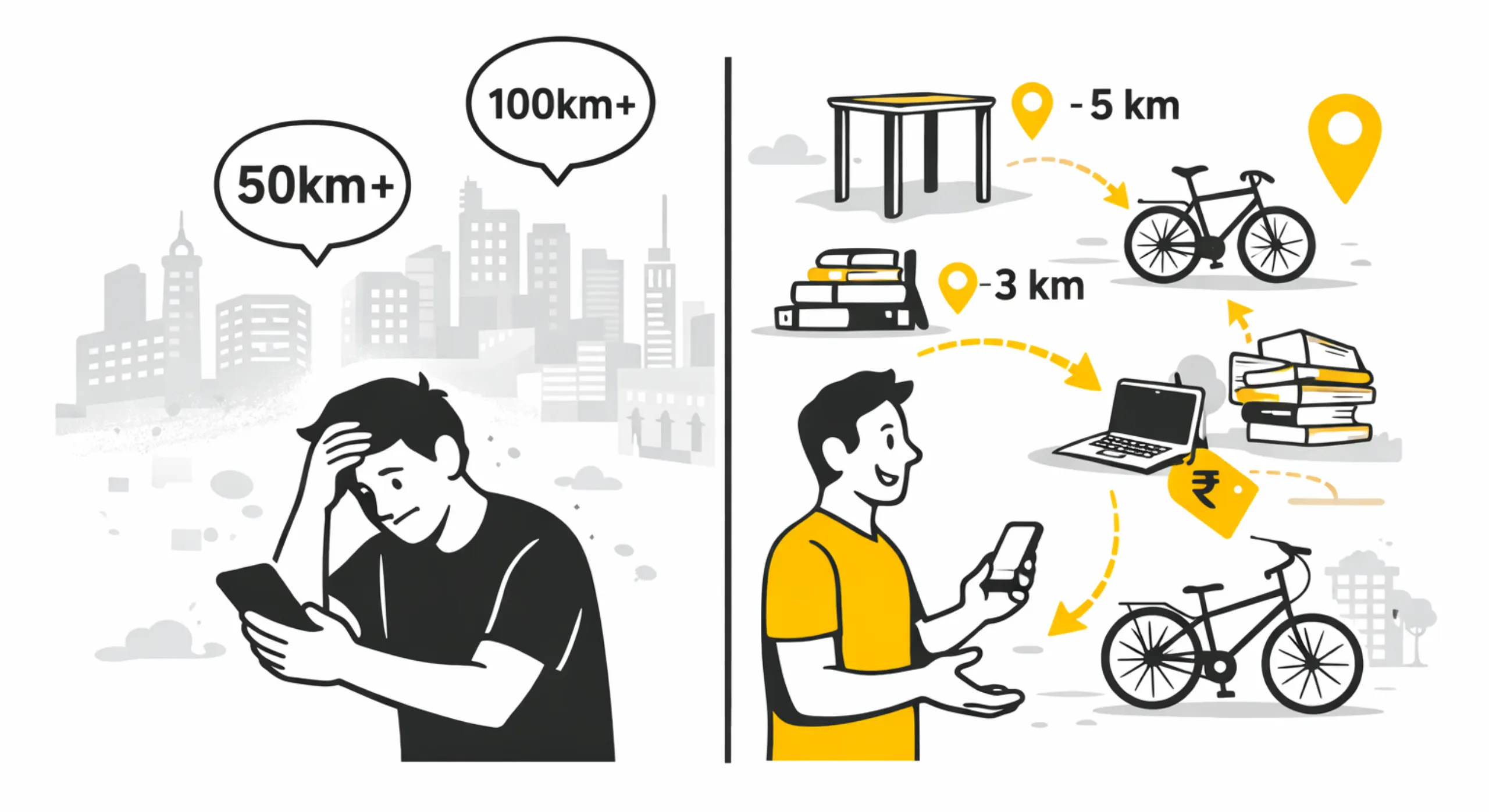



You’re about to buy a second-hand bike. The price is good, the photos look fine, and the seller sounds genuine. But something small keeps nagging at you. They won’t meet near their home, they want cash upfront, and their story about why they’re selling keeps changing.
These are red flags. Small warning signs that something might be wrong.
Ignoring them can lead to wasted money, safety risks, or getting stuck with faulty products. But many buyers and sellers don’t know what to look for. They trust their gut feeling but don’t have a clear checklist of what actually signals trouble.
Crowded marketplaces don’t help. With thousands of listings and minimal verification, scammers and unreliable people blend in easily. You’re left sorting genuine deals from suspicious ones on your own.
Local buying and selling through Sympl classifieds makes verification easier because you meet in person. But even here, knowing common red flags helps you avoid bad deals before wasting time. When you buy and sell locally with awareness, transactions stay safe and straightforward.
Why Red Flags Matter in Peer-to-Peer Transactions
In peer-to-peer marketplaces, there’s no company backing the transaction. You’re dealing directly with another individual who could be honest, careless, or deliberately dishonest.
Red flags are your early warning system. They help you spot problems before committing time, money, or effort.
Some red flags indicate scams, people actively trying to cheat you. Others signal unreliable sellers or buyers who might waste your time even if they’re not malicious.
Learning to recognize these warning signs protects you from both types. You avoid financial loss, prevent safety risks, and save hours that would otherwise be spent on deals that never close properly.
Red Flags for Buyers to Watch
These warning signs appear during your search and initial conversations with sellers.
Prices Far Below Market Value
If a laptop that normally sells for ₹40,000 is listed at ₹20,000, pause before getting excited.
There are only a few reasons for such dramatic price drops: the item is damaged, stolen, fake, or the listing itself is fraudulent.
Occasionally, sellers genuinely need urgent cash and will accept lower offers. But if the price seems unbelievable, it probably is.
Cross-check similar products on other platforms. If one listing is dramatically cheaper than everything else, approach with extreme caution.
Refusal to Meet in Person
A seller who won’t meet locally on a local classifieds platform is a major red flag.
If they insist on courier delivery, advance payment, or keep making excuses to avoid meeting, walk away. The entire point of local buying and selling is meeting to verify the product.
Genuine sellers understand this. They expect buyers to inspect items before paying. Anyone avoiding face-to-face meetings is likely running a scam.
Stock Photos Instead of Real Images
If all the photos look professionally shot with perfect lighting and no background, they’re probably pulled from the internet.
Real sellers take pictures of the actual item in their home. You’ll see natural lighting, maybe some clutter in the background, clear signs that this is a real photo of a real product.
Ask for additional pictures, something specific like “Can you send a photo with today’s date written on paper next to the item?” Scammers won’t bother. Genuine sellers will comply.
Vague or Incomplete Descriptions
Honest sellers provide details: purchase date, reason for selling, known defects, accessories included, warranty status.
If the description just says “good condition” or “hardly used” with no specifics, the seller either doesn’t have the item or is hiding something.
Ask direct questions. If the responses stay vague or avoid your questions entirely, move on.
Pressure to Decide Immediately
“Other buyers are waiting.” “This price is only valid today.” “Pay now or you’ll lose the deal.”
These are classic pressure tactics designed to make you act before thinking clearly.
Genuine sellers give you time to inspect, think, and decide. They understand that rushed decisions lead to buyer’s remorse and complications later.
If someone is pushing you to commit instantly, it’s because they don’t want you examining the deal too closely.
Requests for Advance Payment
No legitimate local seller asks for money before you’ve seen and inspected the product.
Scammers will offer to “hold” the item for you if you pay a deposit. Or they’ll claim they need advance payment for shipping or storage. Don’t fall for it.
In local transactions, payment happens when you meet, inspect the item, and decide to buy. Any deviation from this is a red flag.
Inconsistent Information
Pay attention to contradictions. If the listing says “bought last year” but the seller later mentions “used for three years,” something’s wrong.
If the listed location is Pune but the seller mentions being in Delhi, question it.
Small inconsistencies might be honest mistakes. Multiple contradictions suggest dishonesty or that the seller doesn’t actually have the item they’re claiming to sell.
Red Flags for Sellers to Watch
Sellers face different risks, primarily time-wasters and potential scams.
Buyers Who Refuse to Meet Locally
Just as sellers refusing to meet is suspicious, buyers who won’t come see the item are problematic.
If they offer to send someone else to pick it up, want it couriered, or keep delaying the meeting, they’re either not serious or planning something dishonest.
Stick to local buyers who are willing to meet, inspect, and pay in person.
Requests to Ship the Item
“I’m out of town but very interested. Can you ship it? I’ll transfer the money first.”
This is almost always a scam. They’ll either send fake payment confirmations or reverse the transaction after you’ve shipped the item.
Local classifieds work because both parties meet. Anyone trying to convert it into a remote transaction is circumventing the safety that comes with in-person exchanges.
Overly Complicated Payment Methods
Genuine buyers bring cash or use standard digital payment methods like UPI, which are instant and widely trusted.
If someone suggests using an unfamiliar app, a payment gateway you’ve never heard of, or some convoluted process involving third parties, decline.
Stick to payment methods you understand and trust. Anything else is unnecessary complexity that could hide fraud.
Extremely Low Offers Without Negotiation
Some buyers send messages like “Will you take ₹5,000?” when your listed price is ₹15,000. No explanation, no attempt to justify the offer, just an unreasonably low number.
These are often time-wasters testing how desperate you are. If you engage, they’ll waste hours negotiating without serious intent to buy.
Politely decline lowball offers that aren’t accompanied by reasonable justification. Focus on buyers who make realistic offers.
Buyers Who Keep Rescheduling
If someone agrees to meet but cancels or reschedules multiple times, they’re either unreliable or never intended to buy.
One reschedule due to a genuine emergency is understandable. Repeated cancellations mean you should move on to other buyers.
Don’t keep holding the item for someone who can’t commit to a meeting time.
Questions Unrelated to the Product
If a buyer starts asking personal questions whether you live alone, your daily schedule, what other valuables you own, end the conversation.
These questions have nothing to do with buying your old fridge or phone. They could indicate someone scoping out your home for theft or other harmful intent.
Keep conversations focused strictly on the item being sold.
Red Flags That Apply to Both Buyers and Sellers
Some warning signs are relevant regardless of which side of the transaction you’re on.
Blank or Suspicious Profiles
A profile with no name, no location, no photo, and no transaction history should make you cautious.
While new users might have blank profiles initially, approach them more carefully. Ask more questions, insist on meeting in very public places, and trust your instinct.
Established users with complete profiles are generally safer to deal with.
Poor Communication
If someone takes days to reply, gives one-word answers, or ignores your questions, they’re either not serious or unreliable.
Good transactions happen when both parties communicate clearly and promptly. If communication is difficult from the start, the actual meeting and exchange will likely be worse.
Aggressive or Rude Behavior
Anyone who is rude, impatient, or aggressive in messages will likely behave the same way in person.
You’re not obligated to deal with unpleasant people. If someone’s tone makes you uncomfortable, politely end the conversation and move on.
There are plenty of respectful buyers and sellers out there. Don’t waste energy on difficult personalities.
Unwillingness to Answer Basic Questions
Whether you’re buying or selling, you have the right to ask questions: What’s the condition? Why are you selling? Can we meet on Saturday?
If the other party avoids answering or gets defensive about basic questions, that’s a red flag. Honest people have nothing to hide and answer clearly.
How Local Buying and Selling Reduces Red Flag Risks
When you buy and sell locally, many scam tactics simply don’t work.
Scammers prefer distance and anonymity. They rely on shipping, online payments, and avoiding face-to-face meetings. Local classifieds remove all of that.
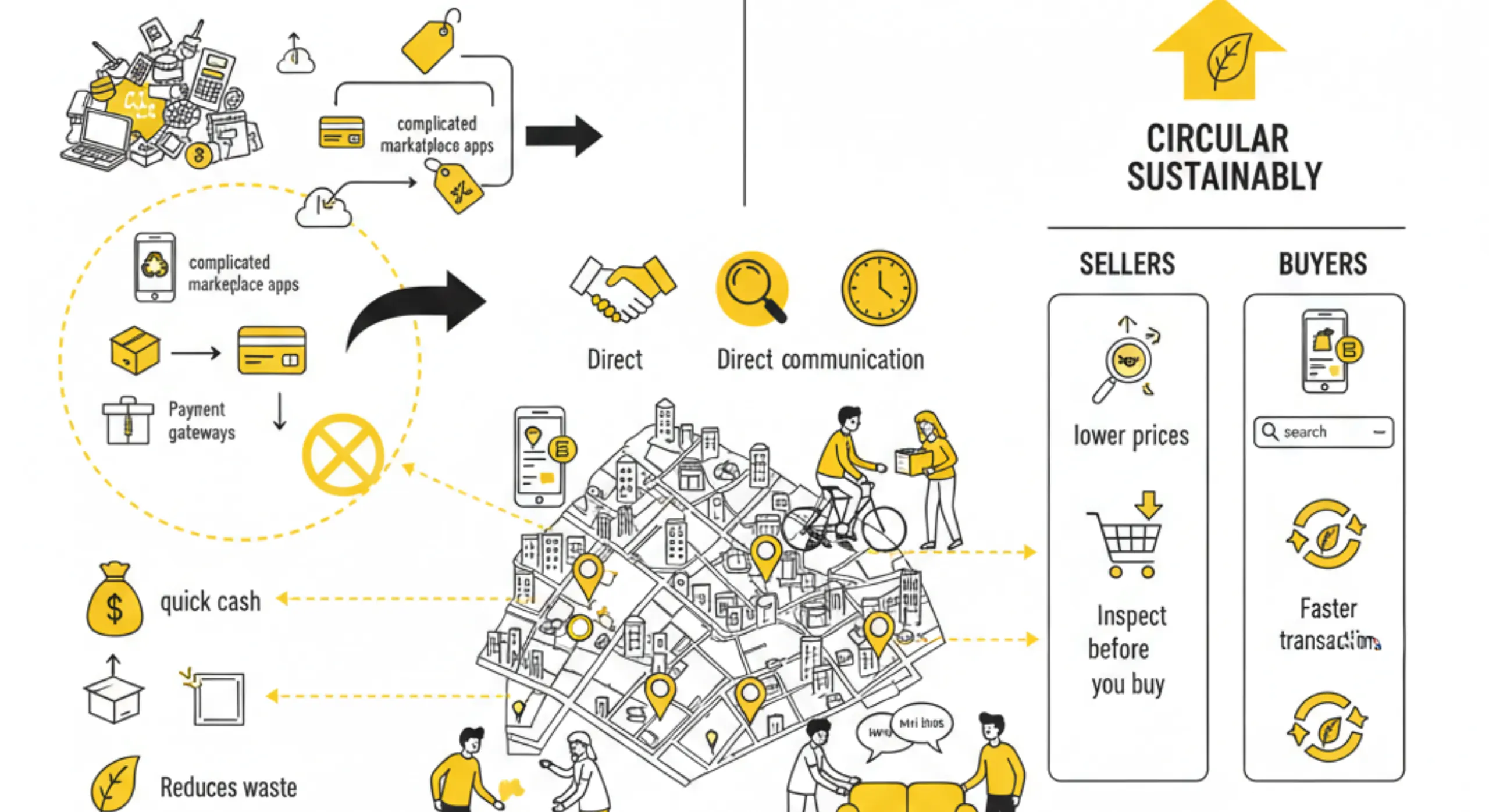
Sympl classifieds focus on nearby buyers and sellers who meet in person. This structure naturally filters out many fraudulent schemes because scammers can’t operate effectively when they have to show up physically.
The expectation of meeting also encourages honesty. Both parties know they’ll be face-to-face, which discourages misleading listings, fake photos, or dishonest descriptions.
You still need to watch for red flags there are always unreliable or dishonest people—but the local, direct nature of the transaction reduces overall risk significantly.
Cost and Time Benefits of Recognizing Red Flags Early
Spotting warning signs early saves you from wasting time on deals that will never close properly.
If you recognize red flags in the first few messages, you can move on immediately instead of investing hours in back-and-forth communication, arranging meetings that don’t happen, or worse losing money to scams.
This efficiency helps you sell items fast and buy quickly without getting stuck in problematic transactions.
You also avoid financial loss. Recognizing scams before sending money or meeting suspicious buyers protects your savings and prevents stressful situations.
Who Benefits Most from Understanding Red Flags
Students buying gadgets, bikes, or textbooks often have limited budgets and can’t afford to lose money to scams. Recognizing warning signs protects their finances.
Families selling furniture, appliances, or kids’ items want quick, safe transactions. Understanding red flags helps them avoid time-wasters and dishonest buyers.
Working professionals don’t have hours to spend on deals that fall through. Identifying problematic buyers or sellers early keeps the process efficient.
First-time buyers or sellers are most vulnerable to scams because they don’t know what to watch for. Learning these red flags builds confidence and prevents costly mistakes.
Anyone who values safety and straightforward transactions benefits from knowing what warning signs to look for.
What to Do When You Spot Red Flags
Trust your instinct. If something feels wrong, it probably is.
You’re not obligated to explain yourself or continue conversations that make you uncomfortable. A simple “I’ve decided to go with another buyer/seller” is enough.
If multiple red flags appear, vague answers, refusal to meet, pressure tactics, requests for advance payment walk away immediately. Don’t give the person a chance to convince you otherwise.
Focus your energy on buyers and sellers who communicate clearly, answer questions honestly, and are willing to meet locally for straightforward exchanges.
Why Sympl Supports Transparent Local Transactions
Complex platforms with layers of features and distant transactions create more opportunities for dishonest behavior.
Sympl keeps things straightforward. Post your listing, connect with nearby buyers or sellers, meet, verify, and exchange.
This simplicity makes red flags easier to spot. When the process is designed for direct, local interaction, anyone trying to complicate it or avoid meeting stands out clearly.
There’s no algorithm hiding information, no intermediary obscuring communication, and no complex process that dishonest people can manipulate. Just clear, focused transactions between local buyers and sellers.
Final Thoughts
Red flags aren’t about being paranoid. They’re about staying alert and protecting yourself from preventable problems.
Watch for unrealistic prices, refusal to meet, stock photos, vague descriptions, pressure tactics, and requests for advance payment. Trust your instinct when communication feels off or someone’s behavior makes you uncomfortable.
Local buying and selling platforms like Sympl reduce many scam risks by focusing on face-to-face transactions between nearby buyers and sellers. But awareness still matters.
Stay cautious, ask questions, and don’t hesitate to walk away from suspicious deals. When you buy and sell locally with Sympl classifieds and a clear understanding of warning signs, transactions stay safe, simple, and straightforward.