


Agile works beautifully for small teams. A group of six engineers, a product owner, and a scrum master can move quickly, communicate clearly, and deliver software in predictable sprints. The problem starts when you try to scale this model across an enterprise with 200 developers, multiple legacy systems, regulatory requirements, and stakeholders spread across different continents and business units.
Most large organizations have learned this lesson the hard way. They adopt agile practices that work well in startups or digital-native companies, only to watch these practices collapse under the weight of enterprise complexity. The result is not faster delivery. It is confusion, misaligned teams, duplicated effort, and a growing sense that agile has become another layer of process rather than a solution.
The Core Problem: Coordination Does Not Scale Linearly
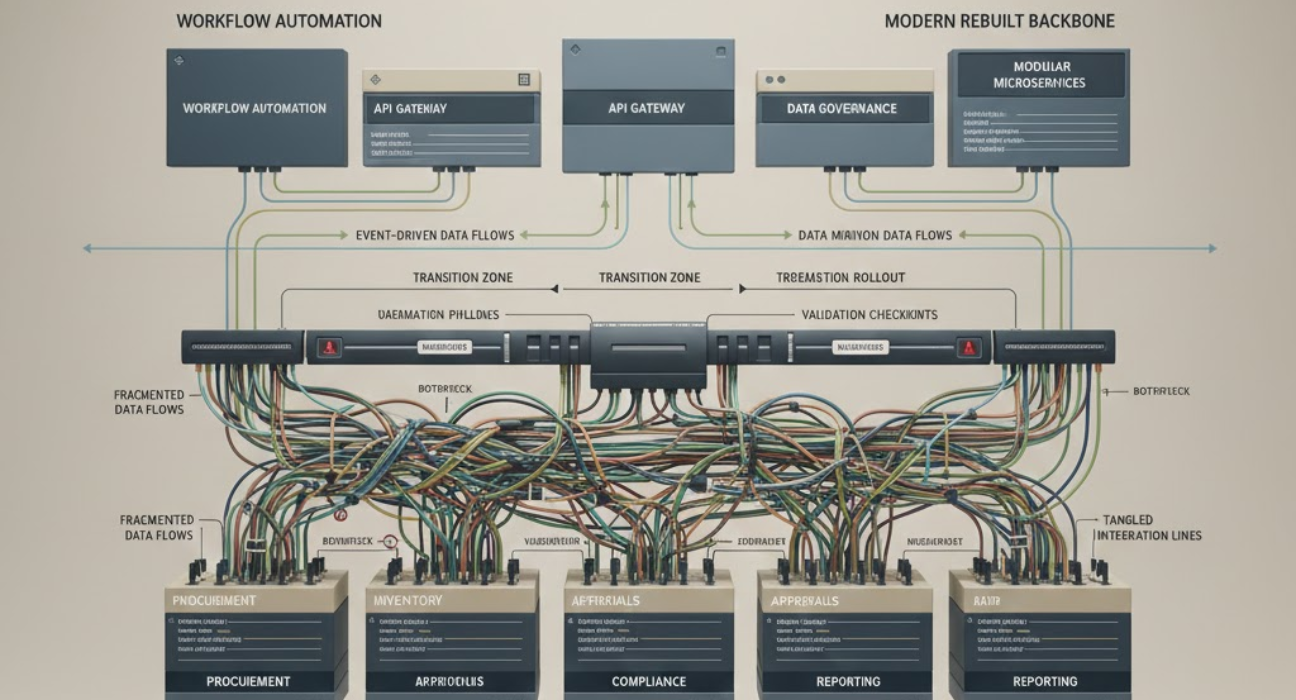
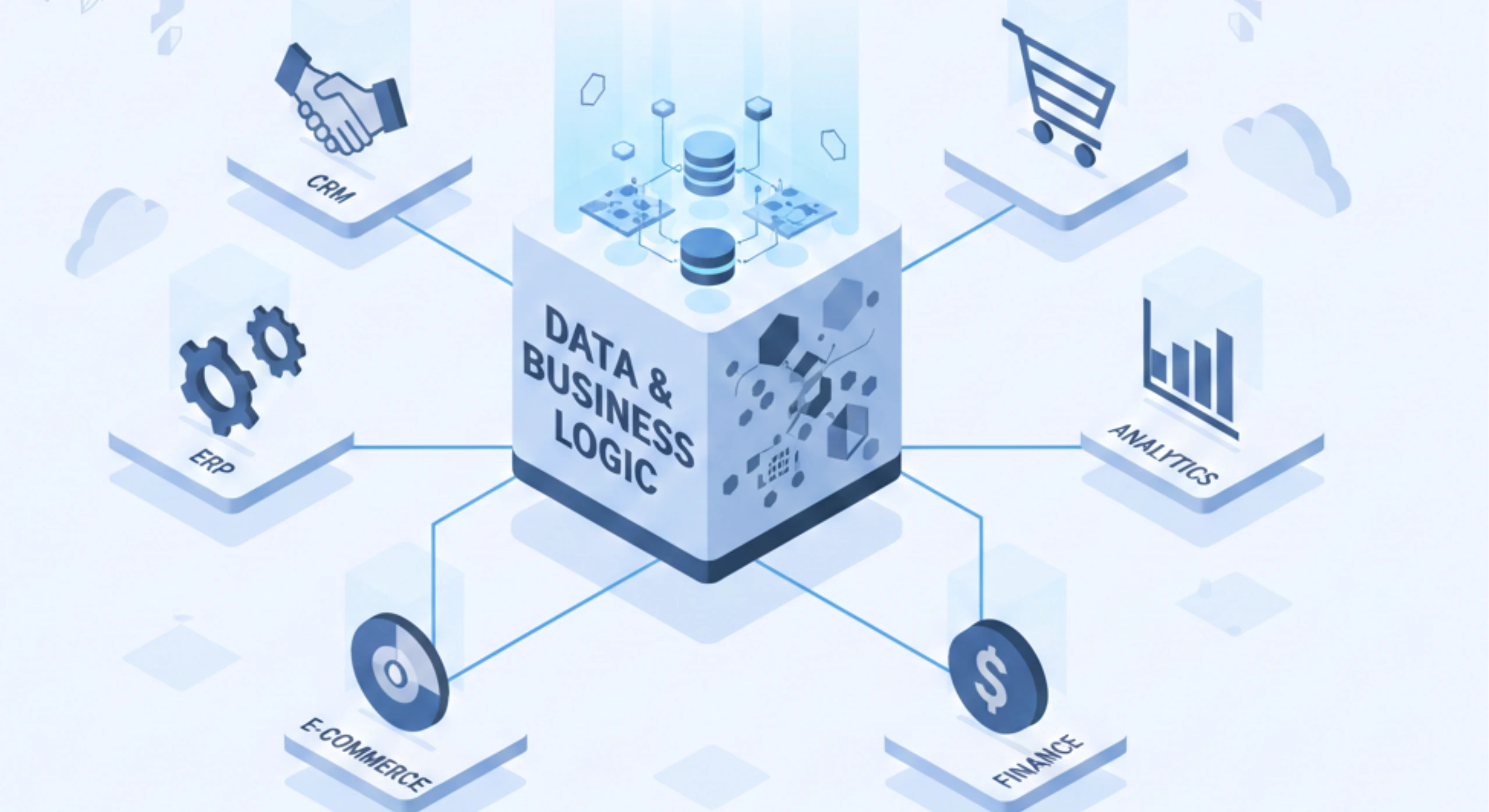
When you have three agile teams working on separate components, coordination is manageable. When you have 25 teams working on interconnected systems that share data, infrastructure, and business logic, coordination becomes the primary challenge. Daily standups and sprint retrospectives do not solve this problem. They were never designed to.
Enterprise programs fail at scale because the coordination overhead grows exponentially while the agile practices remain focused on team-level efficiency. A team can be highly agile internally while being completely blocked by dependencies on five other teams that are running different sprint cycles, using different planning tools, and reporting to different leadership structures.
The traditional agile response to this problem is to add more process. Organizations introduce SAFe frameworks, program increment planning sessions, release train engineers, and multi-layered governance structures. These additions attempt to impose coordination from above, but they often create the exact bureaucracy that agile was supposed to eliminate. Teams spend more time in alignment meetings than in actual delivery work.
Why Enterprise Context Changes Everything
Large organizations operate under constraints that small teams never encounter. There are procurement processes that take months, security reviews that require formal documentation, compliance requirements that mandate specific testing protocols, and change management procedures that involve multiple approval gates. These are not inefficiencies that can be eliminated. They are necessary controls that protect the business from real risks.
A small team can deploy code to production multiple times per day because they own their entire stack and accept the risk of rapid changes. An enterprise team deploying changes to a system that processes millions of transactions daily, integrates with 40 other applications, and operates under regulatory oversight cannot take the same approach. The risk profile is fundamentally different.
This creates a mismatch between agile principles and enterprise reality. Agile values working software over comprehensive documentation, but enterprises need documentation for audit trails, knowledge transfer, and regulatory compliance. Agile favors individuals and interactions over processes and tools, but enterprises need standardized processes to ensure consistency across thousands of employees and contractors.
The Dependency Problem That Nobody Solves Well
The most persistent problem in enterprise agile is dependency management. In theory, teams should be cross-functional and autonomous. In practice, they depend on shared platforms, common data sources, centralized infrastructure teams, and enterprise architecture decisions that affect everyone.
A single team cannot decide to migrate from an on-premise database to a cloud solution when 15 other applications rely on that same database. They cannot refactor an API when dozens of downstream consumers depend on its current structure. They cannot adopt a new authentication system when the enterprise has standardized on a different approach.
These dependencies create blocking issues that no amount of agile ceremony can resolve. Teams end up waiting for other teams, and the waiting time compounds across the organization. What should take two weeks takes three months because of sequential dependencies that cannot be parallelized.
Most enterprises try to solve this through better planning and more detailed roadmaps, but this defeats the purpose of agile adaptability. The alternative is to accept long delivery cycles, which defeats the purpose of adopting agile in the first place.
The Governance Gap
Enterprise programs require governance. Boards and executive committees need visibility into program status, budget consumption, risk exposure, and expected delivery dates. They need this information in a format they can understand and compare across different initiatives.
Agile teams naturally resist this type of governance because it feels like a return to waterfall thinking. They argue that estimates are unreliable, that priorities change frequently, and that detailed upfront planning contradicts agile principles. All of this is true, but it does not eliminate the legitimate need for enterprise governance.
The result is often a disconnect between how teams work and how leadership wants to manage the program. Teams operate in sprints with story points and velocity metrics that mean little to executives. Executives want committed timelines, fixed budgets, and clear milestone deliverables. Neither side is wrong, but the gap between these perspectives creates friction that slows everything down.
How Ozrit Approaches Enterprise Agile Delivery
At Ozrit, we have built our delivery model specifically for large enterprise programs where standard agile practices need significant adaptation. Our approach is not about imposing a framework or following a methodology. It is about recognizing that enterprise scale requires senior oversight, clear ownership, and structured coordination from day one.
We structure programs with senior architects and delivery leaders who have run large-scale enterprise implementations before. These are not people who show up for steering committee meetings and delegate everything else. They are hands-on technical leaders who understand both the delivery details and the governance requirements. This dual focus ensures that teams can work effectively while leadership gets the visibility and control they need.
Our onboarding process is designed to reduce risk in the first 30 days. We do not start with a multi-month discovery phase or wait for perfect requirements. We assess the current state, identify the critical dependencies, establish clear communication channels with all stakeholder groups, and set up the infrastructure and tooling needed for effective delivery. By week four, teams are delivering working software, not still planning how they might deliver it later.
For dependency management, we map all technical and organizational dependencies during onboarding and maintain this as a living document throughout the program. We identify which dependencies can be eliminated through architectural changes, which can be worked around through temporary solutions, and which require active coordination. This clarity prevents teams from getting blocked by surprises three months into delivery.
We run programs with realistic timelines that account for enterprise constraints. If security reviews take six weeks and procurement processes take eight weeks, we build that into the plan from the start. We do not promise startup-speed delivery and then explain later why it was not possible. This approach builds trust with both technical teams and business leadership because everyone is working from the same realistic expectations.
Our delivery model includes 24/7 support for production systems, which matters for enterprise programs where downtime has a significant business impact. We also structure teams to handle knowledge transfer continuously rather than saving it for the end of an engagement. This ensures that internal teams can maintain and evolve solutions after our engagement concludes.
We typically run enterprise programs with teams of 40 to 120 people, depending on scope and complexity. This is the scale where coordination becomes a primary challenge, and it is where our structured approach delivers the most value. Smaller programs do not need this level of oversight. Larger programs usually need to be broken into multiple coordinated workstreams, which we structure from the beginning rather than discovering the need halfway through.
What Actually Works at Scale
The organizations that succeed with agile at enterprise scale do a few things consistently. They accept that some waterfall elements are necessary for governance and risk management. They invest heavily in platforms and shared services that reduce dependencies between teams. They create clear escalation paths for resolving blocking issues quickly. They standardize on tools and practices across teams while allowing flexibility within those boundaries.
Most importantly, they recognize that enterprise agility is not about moving faster in isolation. It is about moving the entire organization in a coordinated direction while maintaining the flexibility to adjust course when needed. This requires leadership that understands both business strategy and technical delivery, not just one or the other.
Small-team agility fails at enterprise scale because it was never designed for the coordination complexity, governance requirements, and risk constraints that define large organizations. The solution is not to abandon agile principles entirely. It is to adapt them deliberately for the context in which they will operate, with the right senior oversight and structured delivery approach that enterprises actually need.