


You’re looking at two listings for the same phone model. One seller is asking ₹12,000. The other wants ₹9,000. Both claim the phone is in good condition.
Which one do you trust? Is the cheaper one hiding problems? Is the expensive one overpriced?
Without more context, you’re just guessing. And guessing leads to either overpaying or missing out on good deals. This is the challenge most buyers face when shopping for second-hand items on large platforms. Prices are all over the place, descriptions are vague, and there’s no easy way to know what’s actually fair.
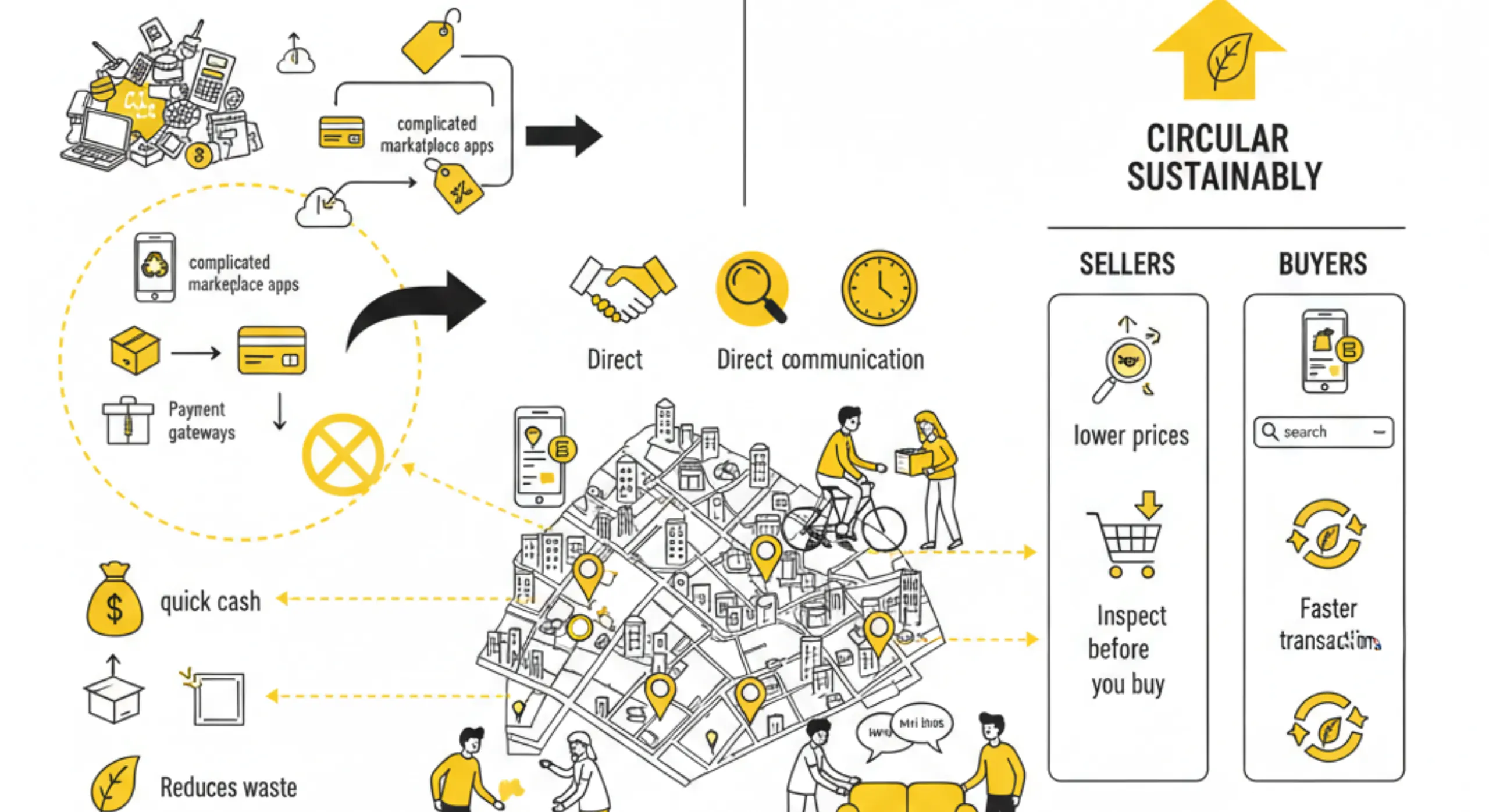
When you buy and sell locally through simple classifieds like Sympl, the decision becomes clearer. You can compare what’s available nearby, inspect items before committing, and get a realistic sense of what things actually cost in your area – not in some distant city where the market is completely different.
Understanding how buyers evaluate pricing helps everyone. Sellers learn how to price realistically, and buyers learn how to spot good deals without second-guessing every purchase.
Why Pricing Feels Like a Mystery
The second-hand market has no fixed rates. A two-year-old laptop could be listed at ₹15,000 by one seller and ₹25,000 by another. Both might genuinely believe their price is fair.
Buyers are left trying to figure out who’s being honest and who’s hoping someone will overpay.
On national platforms, this confusion gets worse because you’re seeing listings from across the country. A sofa in Bangalore might be priced differently than the same sofa in Pune not because of condition, but because of local demand, cost of living, or just different seller expectations.
When you’re trying to buy something locally, those distant listings don’t help. They just add noise and make it harder to understand what’s reasonable in your own area.
Local classifieds solve this by showing you what’s actually available nearby. You’re comparing apples to apples in the same city, same market conditions, same kind of buyers and sellers.
This gives you the context you need to make confident decisions.
What Buyers Actually Look at When Judging Price
They compare similar items in the same area
The first thing smart buyers do is check what else is available locally. If you’re selling a washing machine for ₹14,000 and there are three similar models listed nearby for ₹10,000, buyers will notice. They’ll either skip your listing entirely or use those lower prices to negotiate hard.
This is why local market awareness matters. Buyers aren’t comparing your item to something in another state, they’re comparing it to what they can get from a seller twenty minutes away.
When sellers understand this and price accordingly, they sell items fast. When they ignore it, listings sit for weeks.
They assess condition against price
Photos only tell part of the story. Buyers look at how honest the listing is about wear and tear.
If your description says “excellent condition” but the photos show scratches, stains, or visible damage, buyers assume the price is inflated. They might still inquire, but they’ll lowball aggressively because they don’t trust your assessment. If you’re upfront “works perfectly, minor scratches on the side” and price accordingly, buyers trust you more. They know what they’re getting and feel the price is justified.
When buyers can inspect the item in person, which is the advantage of buying locally, they make their final decision based on what they actually see. A fridge that looks clean and runs quietly is worth more than one with rust spots and strange noises, even if both are listed at the same price.
They factor in how urgent they are
How badly does the buyer need the item, and how quickly?
A student moving into a new flat next week doesn’t have time to hunt for the absolute cheapest desk. If yours is reasonably priced, nearby, and available immediately, they’ll buy it without much negotiation. A family casually browsing for a new sofa has time to wait. They’ll keep looking until they find the best deal, even if it takes a month.
Sellers who understand this can adjust their approach. Need a quick sale? Price competitively and highlight availability. Can I wait for the right buyer? Price fairly and be patient.
They check what’s included
Does the phone come with the charger and box? Does the bike’s price include registration transfer? Is the fridge sold with a stabiliser?
Buyers weigh these extras when deciding if the price makes sense. Two identical items at the same price aren’t equal if one includes accessories and the other doesn’t.
Being clear about what’s included helps buyers see the full value and makes your price feel more reasonable.
They look for signs of trustworthiness
Pricing isn’t just about numbers, it’s about whether the buyer believes the seller.
If a seller responds quickly, answers questions clearly, and welcomes inspection, buyers feel more confident paying the asking price. If a seller is vague, defensive, or pressures the buyer to commit without seeing the item, buyers get suspicious. They assume something’s wrong and either walk away or push for a much lower price to offset the risk.
Local transactions naturally build trust because both sides can meet face-to-face. Platforms like Sympl focus on connecting local buyers and sellers, which encourages more honest, straightforward interactions.
Practical Signs That Help Buyers Spot Fair Pricing
The price matches local market rates
Smart buyers check multiple listings before making a decision.
If most second-hand fridges like yours are listed between ₹8,000 and ₹10,000 locally, and yours is ₹9,000, buyers recognise that as fair. If yours is ₹14,000, they’ll either skip it or ask why it’s so much higher. Unless you have a good reason, better condition, warranty still valid, including extras they’ll assume you’re overpricing.
The seller is transparent about flaws
No second-hand item is perfect. Buyers know this.
When sellers mention small issues upfront and adjust the price accordingly, it signals honesty. Buyers feel they’re getting a fair deal because they know exactly what they’re paying for.
When sellers hide flaws or exaggerate conditions, buyers find out during inspection and lose trust. Even if they still want the item, they’ll negotiate aggressively because they feel misled.
Clear photos and detailed descriptions
Blurry photos or one-line descriptions make buyers suspicious.
“Good condition, minor use” tells them nothing. They assume you’re hiding something.
“Used for two years, works perfectly, small scratch on back panel see photo 3” builds confidence. Buyers can assess the item properly and decide if the price matches what they’re seeing.
Simple classifieds that encourage detailed listings help both sides. Buyers make better decisions, and sellers attract serious inquiries instead of endless “lowest price?” messages.
The seller welcomes inspection
“You can come check it before buying” is one of the strongest signals of fair pricing.
It tells buyers the seller is confident about the item’s condition and isn’t trying to hide anything. This makes them more comfortable paying the asking price without excessive bargaining.
When sellers refuse inspection or make excuses, buyers get nervous. They either walk away or insist on a much lower price to compensate for the uncertainty.
The listing hasn’t been sitting for weeks
If an item has been listed for a long time at the same price, buyers wonder why no one’s bought it yet. Either the price is too high, or something’s wrong with the item. Even if neither is true, the perception damages the seller’s credibility. Fresh listings at fair prices move quickly. Stale listings, even if eventually reduced, struggle because buyers have already moved on.
How Local Buying and Selling Simplifies Price Evaluation
Direct conversations clear up confusion
When you buy locally, you can ask questions and get immediate answers.
“Why is this priced higher than similar bikes nearby?” “Does the washing machine have any issues?” “Can I test it before deciding?” These conversations happen naturally in local transactions. They help buyers understand the pricing and feel confident about their decision. On national platforms, these questions often go unanswered or lead to vague replies. Buyers are left guessing.
Inspection removes doubt
Seeing the item in person is the single biggest factor in pricing confidence.
A buyer might hesitate at ₹11,000 for a laptop based on photos alone. But after testing it, checking the screen and keyboard, and confirming the battery lasts, that same price feels completely justified.
This is why local classifieds lead to faster, smoother transactions. Buyers aren’t making decisions based on hope they’re making them based on what they’ve verified themselves.
Local context is shared
When you buy and sell locally, both sides understand the market.
A buyer in your neighbourhood knows what things generally cost. A seller pricing fairly knows what nearby buyers are willing to pay. This shared context reduces misunderstandings and makes negotiations simpler.
Platforms like Sympl reinforce this by keeping the focus on nearby transactions, so pricing stays realistic and grounded.
Cost and Time Benefits of Smart Price Evaluation
Buyers avoid overpaying
When you know how to evaluate fair pricing by comparing local options, inspecting items, and asking the right questions you’re less likely to overpay out of urgency or lack of information.
Low-cost buying happens when you find good deals nearby and make informed decisions, not when you settle for overpriced items because you don’t know any better.
Sellers attract serious buyers faster
When your price is fair and your listing is honest, you get inquiries from buyers who are actually ready to purchase. You’re not wasting time on lowballers or people who ghost you after two messages. The buyers who contact you understand the value and are ready to move quickly.
Less time spent in unproductive back-and-forth
When pricing is transparent and realistic, negotiations are shorter and more respectful.
Buyers don’t feel the need to haggle aggressively because they can see the price is already fair. Sellers don’t feel pressured to drop prices drastically because they’re getting genuine interest.
Deals close faster, and both sides walk away satisfied.
Who Benefits Most from Understanding Fair Pricing?
Students on tight budgets
You’re looking for affordable furniture, electronics, or bikes for your hostel or flat. You don’t have money to waste, but you also don’t want to buy something that breaks down in a month.
Knowing how to spot fair pricing by checking local options, inspecting items, and trusting honest sellers helps you get good deals without getting scammed.
Families buying household items
Parents looking for kids’ items, upgrading appliances, or furnishing a new home need to make smart purchasing decisions. Understanding what fair pricing looks like helps you buy quality items at reasonable rates without overpaying or wasting time on unrealistic listings.
Working professionals with limited time
You can’t spend hours researching every purchase or visiting ten sellers to compare options. When you know how to quickly evaluate fair pricing, you make confident decisions and move on.
First-time buyers or sellers
If you’ve never bought or sold second-hand items before, pricing feels intimidating. Using simple classifieds and focusing on local transactions gives you a clearer picture. You see what’s actually selling, learn what buyers expect, and make better decisions from the start.
Fair Pricing Is About Context, Not Guesswork
A ₹10,000 phone isn’t expensive or cheap on its own. It depends on the model, age, condition, and what similar phones are selling nearby.
Buyers evaluate all of this – sometimes consciously, sometimes instinctively. They’re looking for a price that makes sense based on what they’re getting and what else is available.
Sellers who understand how buyers think can price more effectively. You’re not guessing or hoping someone overpays. You’re setting a rate based on real local data and honest assessment of your item’s condition.
When you buy and sell locally, this entire process becomes simpler. You’re not comparing your laptop to one in Mumbai or your sofa to one in Delhi. You’re looking at what’s happening in your neighbourhood, your area, your market.
Platforms like Sympl make this easier by keeping everything local. You see relevant listings, connect with nearby buyers and sellers, and make decisions based on context that actually matters to your transaction.
That’s how fair pricing works in the real world – not through complicated calculations, but through transparency, inspection, and understanding your local market.